






Beyond the Machine: How FLEXOCH Supports Customers Throughout the Flexographic Printing Machine Lifecycle
Purchasing a flexographic printing machine is an important investment for packaging manufacturers. However, successful production depends on more than the performance of the equipment itself. From selecting the right machine configuration to installation, operator training, maintenance, and technical assistance, every stage of the equipment lifecycle can influence production efficiency and print quality.
For packaging converters serving competitive markets, reliable technical communication and appropriate equipment support are essential for maintaining stable operations. A machine must not only meet current production requirements but also support changing product designs, different printing materials, and future business development.
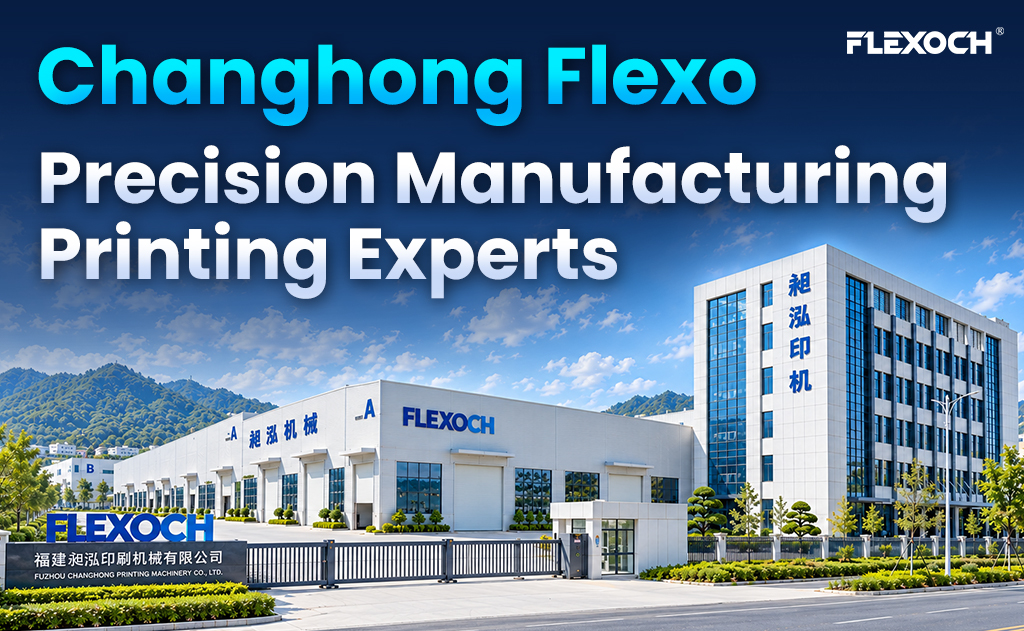
FLEXOCH provides flexographic printing machinery for flexible packaging and other roll-to-roll printing applications. By focusing on application requirements and practical production needs, FLEXOCH helps customers evaluate equipment configurations and prepare for efficient printing operations.
Table of Contents
Toggle1. Understanding Customer Requirements Before Equipment Selection
Every packaging manufacturer has different production objectives. Some focus on high-volume plastic film printing, while others produce paper bags, industrial packaging, or specialized flexible packaging products.
Selecting suitable equipment begins with understanding these differences.
Before recommending a flexographic printing machine, manufacturers and suppliers should clarify several important factors:
- Printing materials: PE, BOPP, PET, CPP, paper, nonwoven materials, or PP woven fabrics.
- Printing width:The required web width and finished product dimensions.
- Number of colors:The complexity of packaging designs and color registration requirements.
- Production capacity: Expected output, operating speed, and production schedules.
- Ink and drying requirements:The selected ink system and the drying performance needed for each substrate.
- Automation requirements:The desired level of registration control, tension management, and production monitoring.
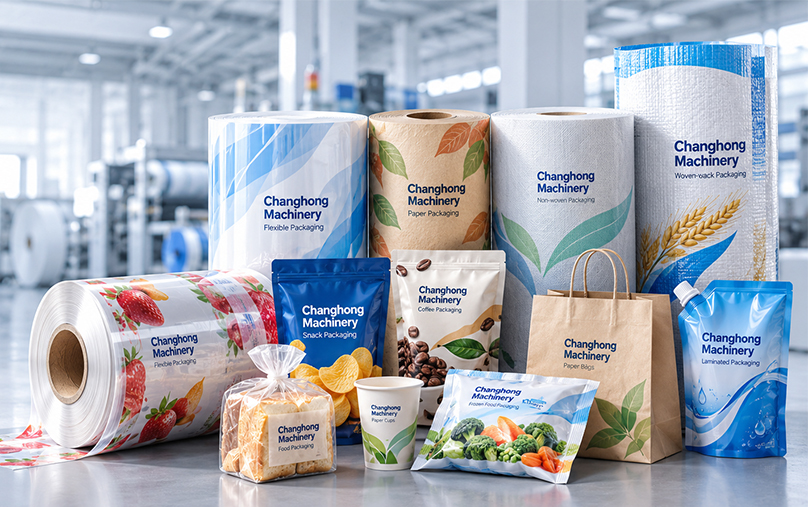
These details help establish a suitable technical specification and reduce the risk of selecting equipment that does not match the customer’s actual production conditions.
FLEXOCH encourages a production-focused approach to equipment selection, helping customers consider not only immediate requirements but also potential changes in product mix and production capacity.
2. Customized Solutions for Different Printing Applications
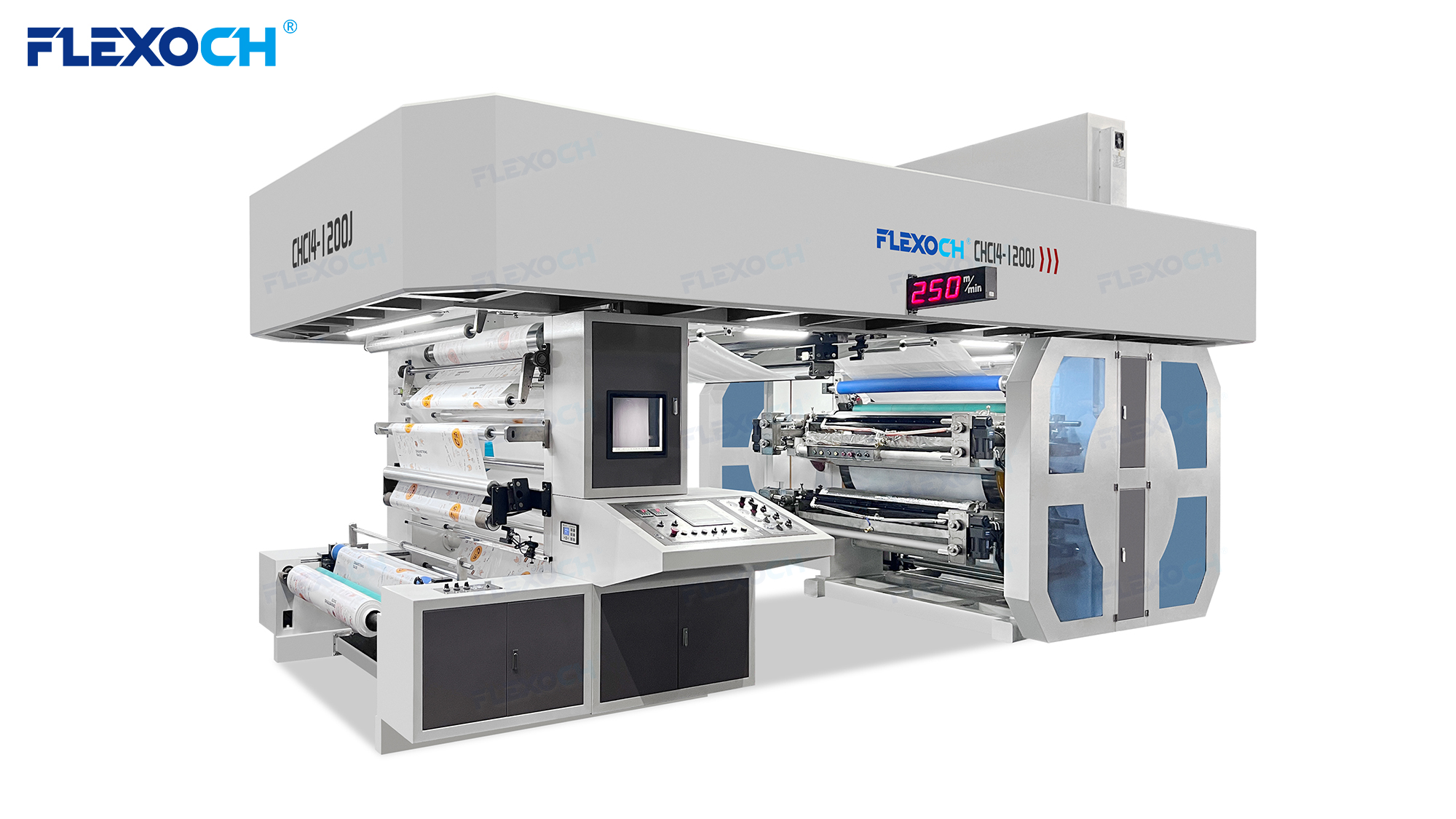
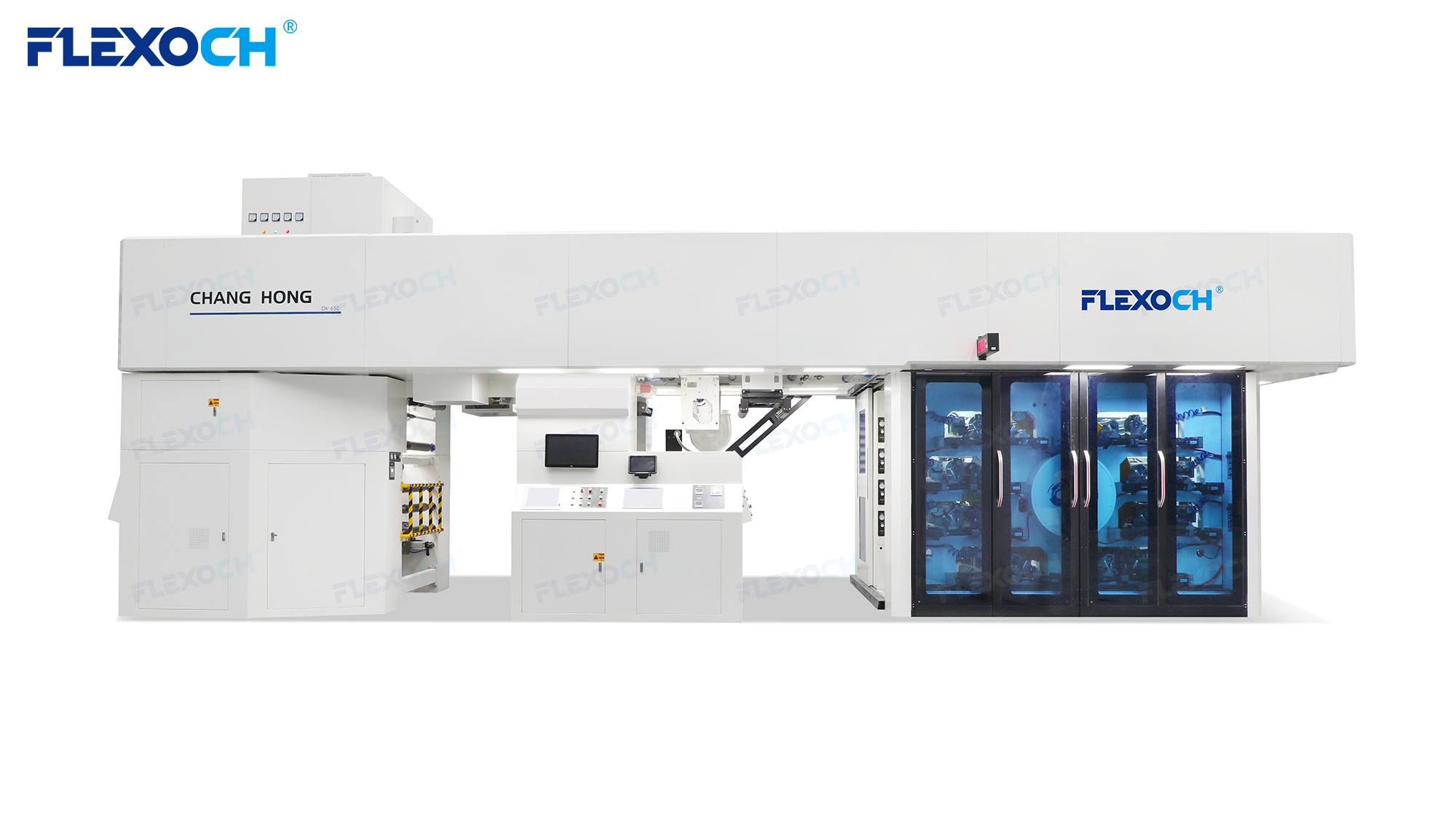
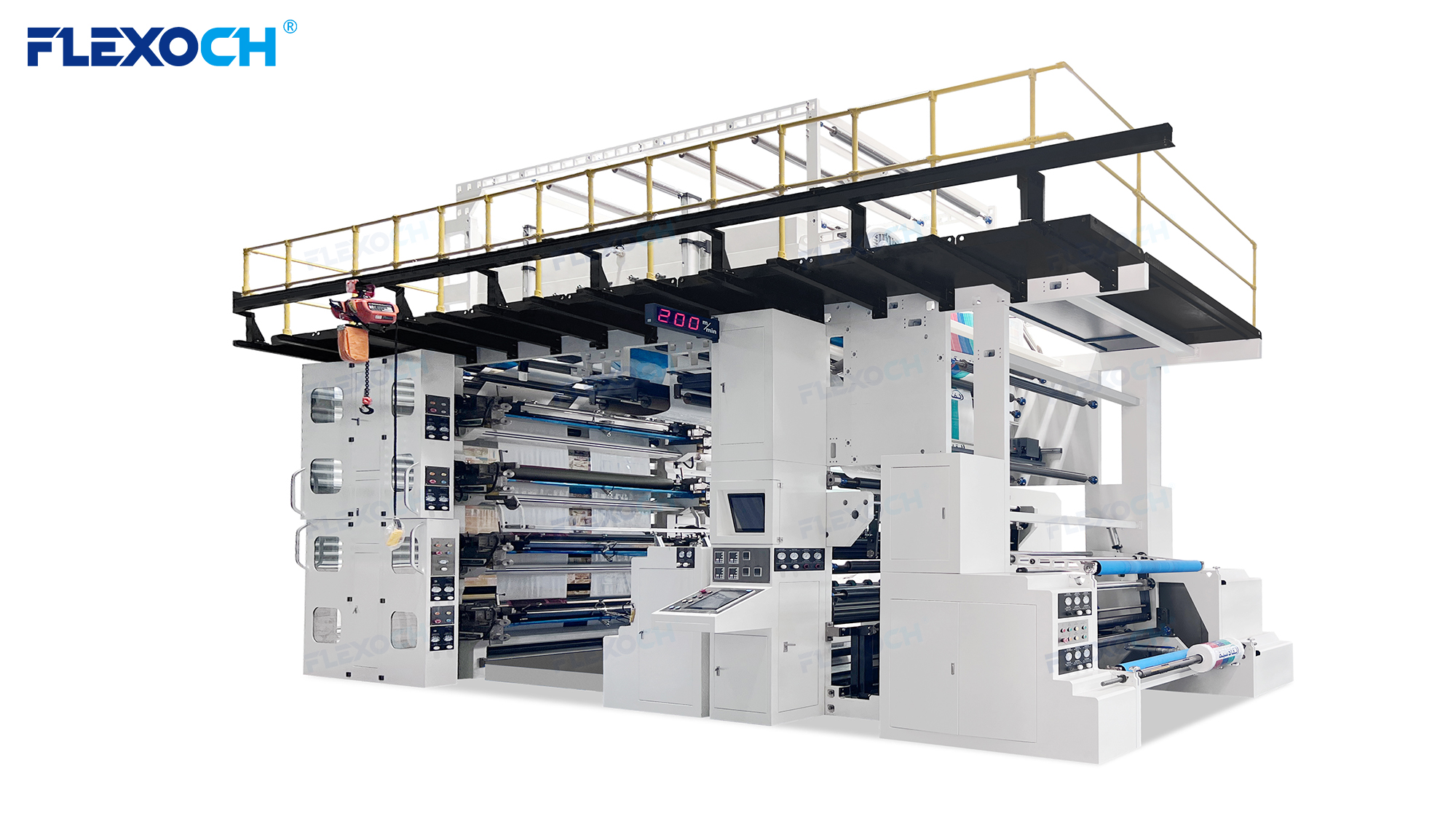
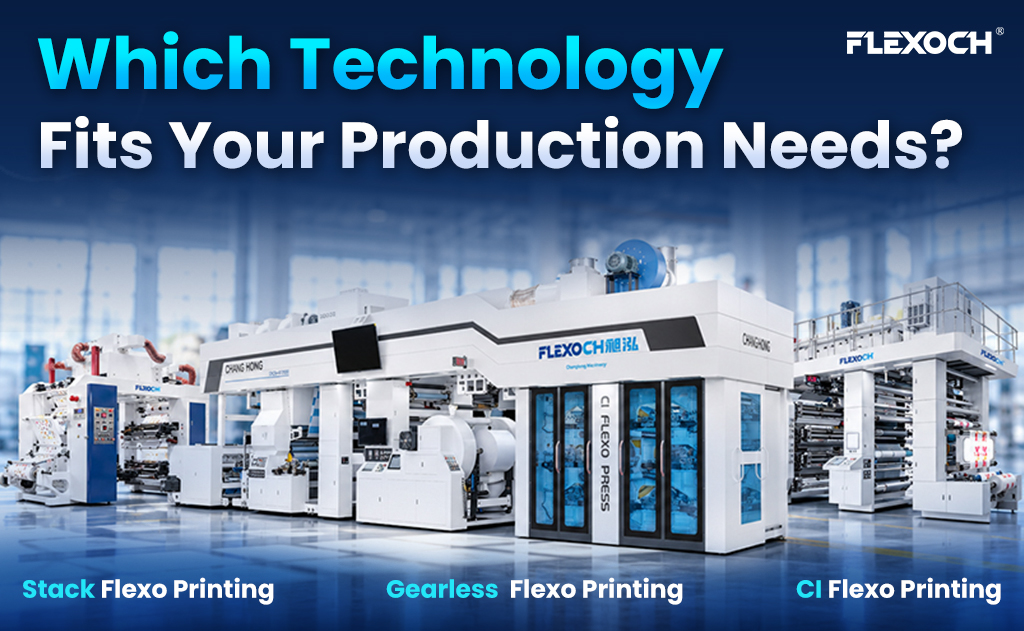
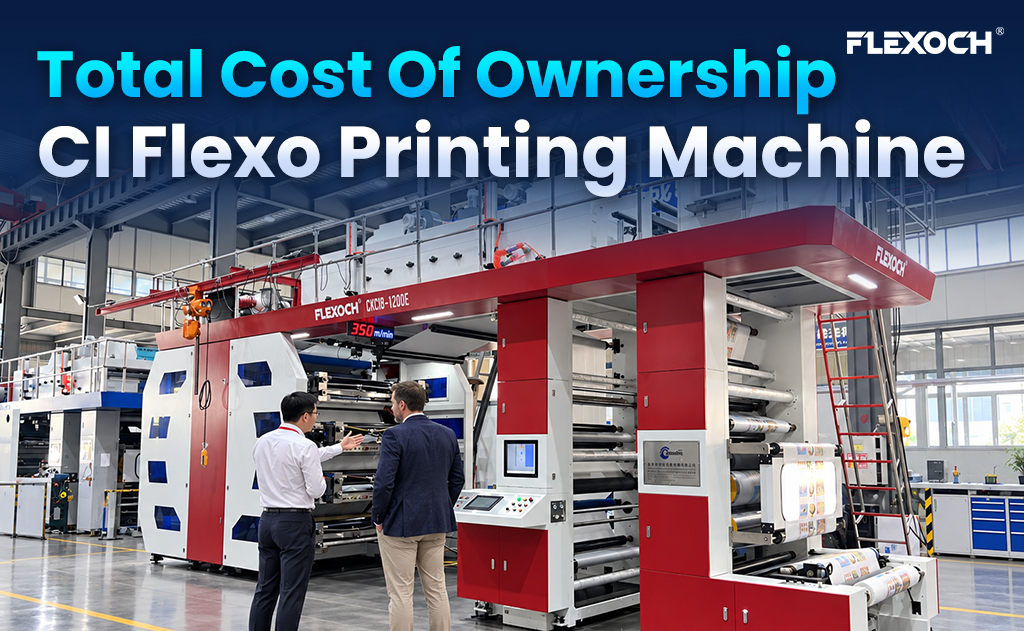
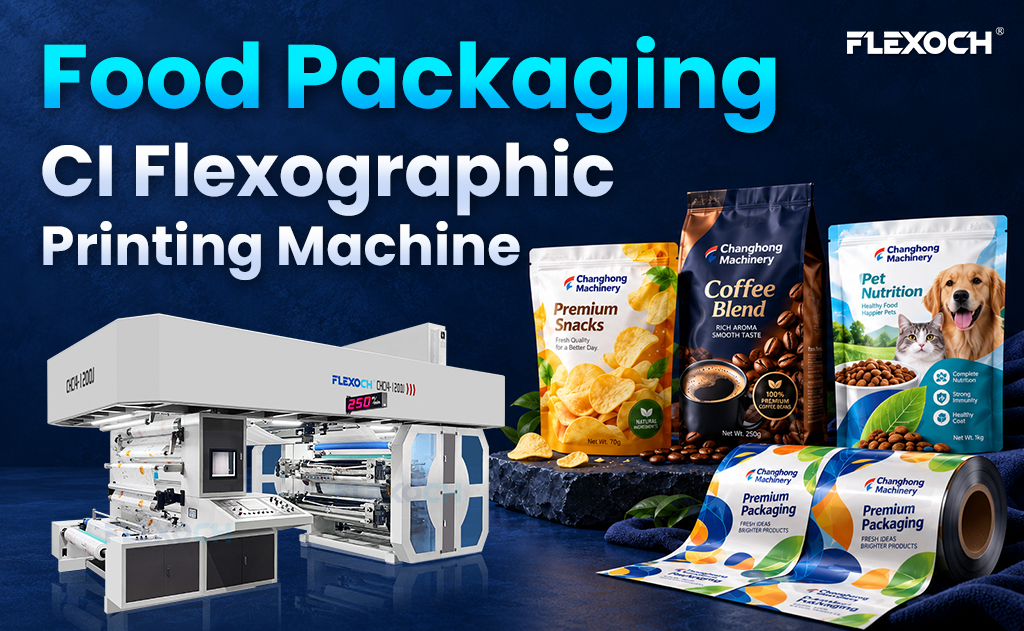
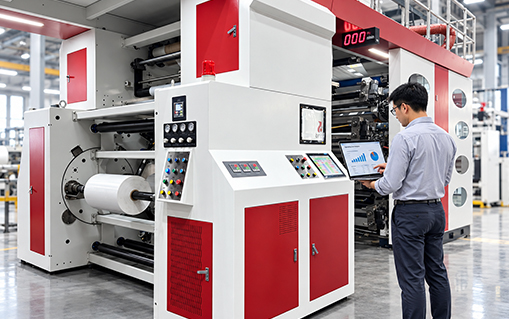
Different packaging applications may require different machine structures and configurations. A central impression (CI) flexographic printing machine, for example, is commonly selected for multicolor printing on flexible films, while stack-type machines can serve a variety of film, paper, and woven-material applications.
Depending on the production requirements and available machine configuration, customers may also consider gearless drive systems, automatic register control, specialized winding arrangements, and other optional functions.
A customized equipment solution may address the following needs:
Material Compatibility
Different substrates have different mechanical properties and surface characteristics. Thin plastic films may require precise tension management, while paper and woven materials can present different handling requirements.
Confirming material types and thickness ranges helps determine the appropriate web handling, printing, and drying configuration.
Printing Quality
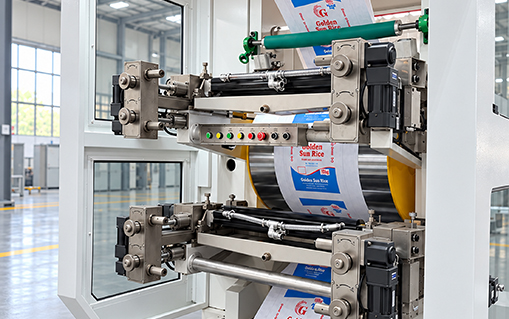
Packaging designs may include fine text, detailed graphics, brand colors, and multiple printing layers. Automatic register control and stable printing conditions can help maintain alignment and improve consistency.
Production Flexibility
Manufacturers producing multiple designs may benefit from suitable changeover features, preset parameters, and automation options that simplify job preparation.
By matching machine functions to actual production needs, customers can avoid paying for unnecessary features while ensuring that important requirements are addressed.
3. Installation and Commissioning: Preparing for Reliable Production
After equipment delivery, installation and commissioning are important steps toward achieving stable printing performance.
The specific process depends on the machine configuration, factory conditions, and the scope of the supply agreement. Customers should confirm installation responsibilities, utility requirements, and commissioning arrangements with their equipment supplier before delivery.
Preparation commonly includes:
- Checking the installation area and machine layout.
- Confirming electrical power, compressed air, ventilation, and other required utilities.
- Inspecting the equipment and supplied components after delivery.
- Verifying the installation and safety requirements.
- Testing the machine’s main operating functions.
- Checking web handling, printing, drying, and winding performance.
During commissioning, the production team should verify that the machine operates according to the agreed specifications. Initial printing trials can help identify adjustments needed for substrate handling, ink transfer, registration, and drying.
A systematic commissioning process establishes a more reliable starting point for routine production and helps operators become familiar with the equipment.
4. Operator Training and Production Process Optimization
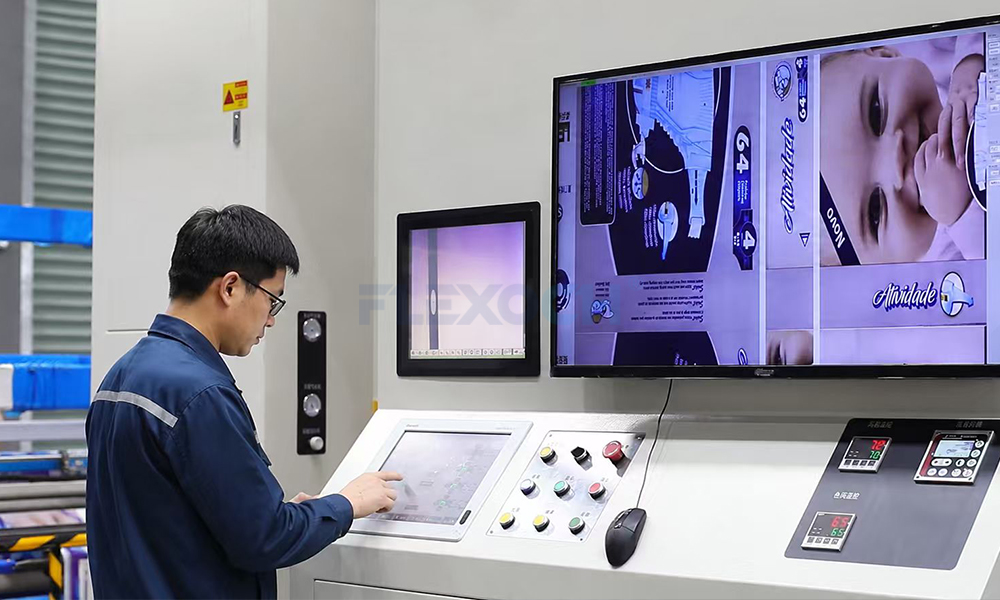
Even advanced printing equipment requires appropriate operation and process management. Skilled operators play an important role in maintaining print quality, identifying irregularities, and responding to changing production conditions.
Training should cover the machine’s main operating procedures and the functions available in the selected configuration.
Important training topics include:
- Safe startup and shutdown procedures.
- Correct loading and threading of printing materials.
- Tension adjustment and web guiding.
- Ink preparation and viscosity management, where applicable.
- Registration adjustment and print quality inspection.
- Drying system operation.
- Routine cleaning and maintenance.
- Basic troubleshooting and fault reporting.
Operators should also understand how changes in substrate properties, ink conditions, printing pressure, and machine speed can affect the finished print.
Consistent operating procedures help reduce avoidable errors and make it easier to maintain repeatable production results across different shifts.
5. Maintenance Support for Long-Term Equipment Performance
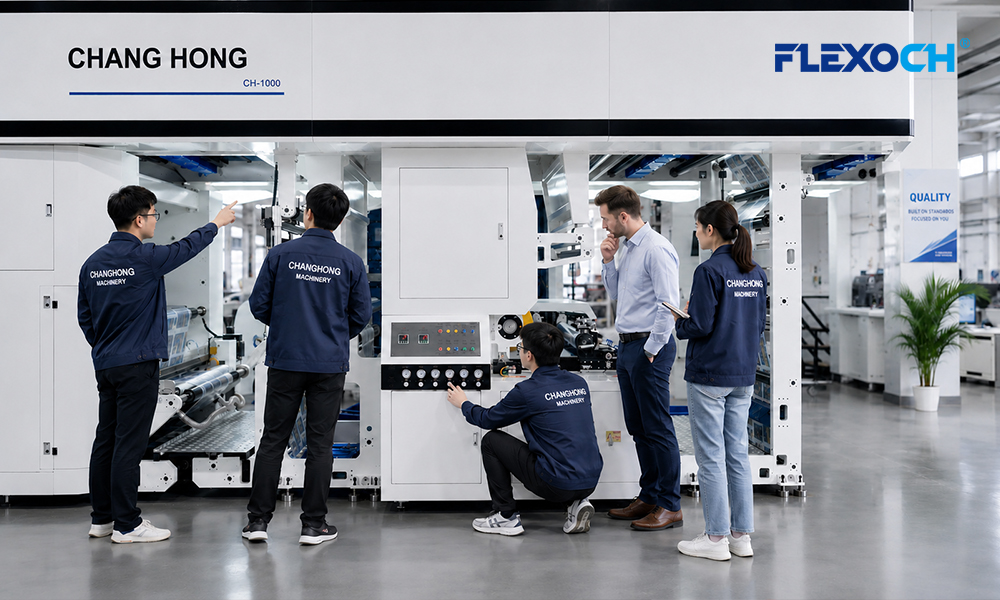
Regular maintenance helps protect printing quality, reduce unexpected interruptions, and extend the service life of important machine components.
Maintenance requirements vary by machine model, operating hours, substrate, and production environment. Manufacturers should follow the equipment manual and the maintenance schedule provided for their specific configuration.
Common maintenance activities include:
Cleaning Printing Components:Anilox rollers, doctor blade systems, printing components, and ink delivery equipment should be cleaned appropriately to prevent dried ink and contamination from affecting ink transfer.
Inspecting Web Handling Systems:Guide rollers, tension control components, and web guiding devices should be inspected for wear, contamination, or abnormal operation.
Checking Drying Equipment:Drying systems should be inspected and cleaned according to the manufacturer’s instructions to maintain appropriate drying performance and safe operation.
Monitoring Wear Parts:Blades, seals, bearings, and other wear components should be checked regularly and replaced when necessary.
A preventive maintenance plan can help manufacturers identify developing problems before they lead to significant downtime. Keeping maintenance records also makes it easier to track recurring issues and plan service activities.
6. Technical Support and Spare Parts Planning
Technical support becomes particularly important when a printing machine encounters an unexpected fault or produces inconsistent results.
Clear communication between the customer and supplier helps shorten troubleshooting time. When reporting a problem, customers should provide the machine model, relevant operating conditions, substrate details, observed symptoms, and any available alarm messages or photographs.
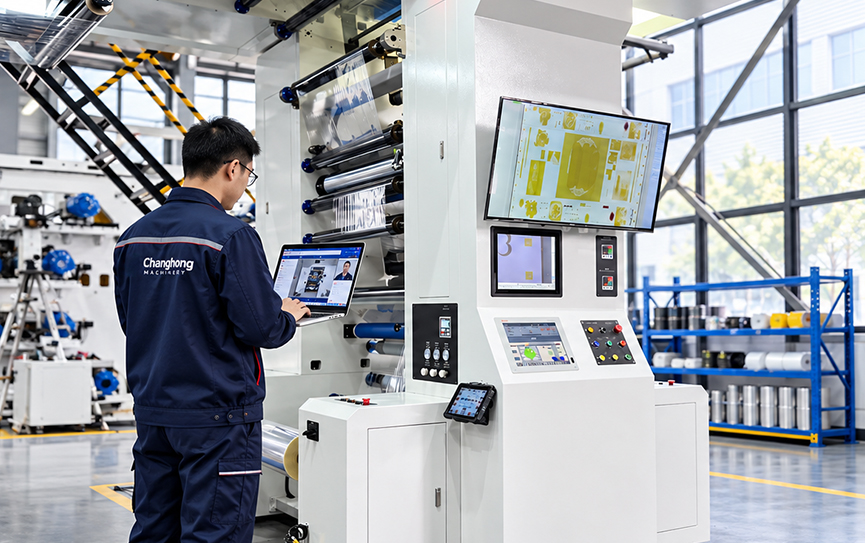
This information helps technical personnel assess the situation more effectively.
Spare parts planning is another important part of equipment lifecycle management. Manufacturers should identify critical components, understand replacement intervals, and confirm the availability and ordering procedures for required parts.
For international customers, it is also useful to clarify the available remote support channels, service arrangements, and response procedures before purchasing equipment. The exact scope of technical assistance, spare parts supply, and on-site service should be confirmed in the commercial agreement.
7. FLEXOCH: Supporting Customers Beyond Equipment Delivery
At FLEXOCH, equipment selection is closely connected to the practical requirements of packaging production. A successful printing solution should combine an appropriate machine configuration with clear technical communication and a well-planned production process.
FLEXOCH offers flexographic printing machinery for applications involving flexible packaging, plastic films, paper, and other compatible materials. Depending on the selected model, available configurations may include CI printing structures, gearless drive technology, automatic register control, tension management systems, and different drying and winding arrangements.
By discussing material characteristics, printing requirements, production targets, and automation needs, customers can work toward selecting equipment that fits their operations.
For manufacturers preparing to purchase or upgrade a printing machine, early communication about installation conditions, commissioning requirements, operator training, maintenance planning, and technical support can help establish realistic expectations and support a smoother transition into production.

Conclusion
The value of a flexographic printing machine extends beyond its initial purchase and technical specifications. Equipment selection, installation, commissioning, operator training, preventive maintenance, and technical assistance all contribute to long-term production performance.
For packaging manufacturers, taking a lifecycle approach to equipment planning can help improve operational stability, reduce avoidable downtime, and maintain consistent printing quality.
FLEXOCH supports customers in exploring flexographic printing solutions that match their materials, applications, and production objectives. By combining appropriate equipment configurations with careful production planning, manufacturers can build a stronger foundation for efficient operations and sustainable business growth.