






FLEXOCH: Combining Precision Manufacturing and Flexographic Printing Expertise for Global Markets
In the rapidly evolving packaging industry, manufacturers need reliable printing equipment that delivers consistent print quality, efficient production, and long-term operational stability. As packaging designs become more sophisticated and market demands continue to change, choosing an experienced flexographic printing machine manufacturer has become increasingly important for packaging converters worldwide.
FLEXOCH specializes in flexographic printing machinery for flexible packaging and other roll-to-roll printing applications. By combining mechanical engineering, printing technology, and application-focused equipment configurations, FLEXOCH aims to help manufacturers improve production efficiency and meet the diverse requirements of international packaging markets.
From plastic film and paper to specialized packaging substrates, modern flexographic printing solutions must balance printing precision, production speed, material compatibility, and ease of operation. FLEXOCH focuses on these essential factors when developing equipment for different production environments.
Table of Contents
ToggleVideo Introduction
1. Manufacturing Expertise for Modern Packaging Production
Manufacturing quality is an important foundation of reliable printing equipment. A flexographic printing machine contains multiple interconnected systems, including printing units, web guiding devices, tension control components, ink delivery systems, drying equipment, and winding mechanisms. Each system contributes to the overall performance of the production line.
For packaging manufacturers, equipment reliability affects more than print appearance. It also influences production continuity, material consumption, maintenance requirements, and delivery schedules.
FLEXOCH provides flexographic printing equipment designed around the practical requirements of industrial packaging production. Machine configuration and component selection can be tailored to factors such as substrate type, printing width, color requirements, production speed, and the intended application.
A well-matched configuration helps manufacturers avoid unnecessary complexity while ensuring that the equipment meets their actual production needs.
2. A Diverse Range of Flexographic Printing Solutions
Different packaging applications require different machine structures. Rather than relying on a single configuration for every production task, manufacturers should select equipment according to their materials, printing requirements, and operating conditions.
FLEXOCH offers several types of flexographic printing machinery to address different production needs.
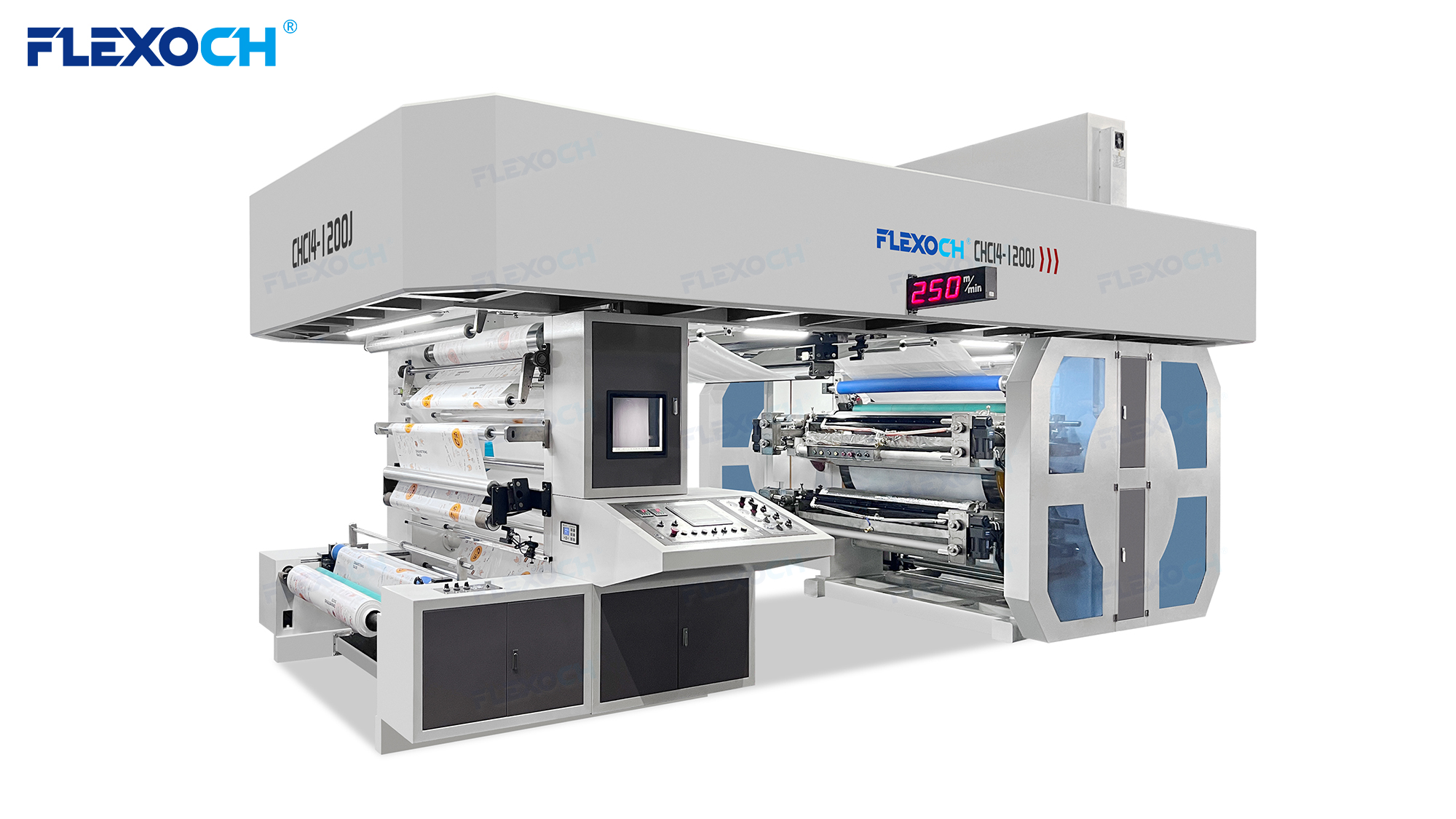
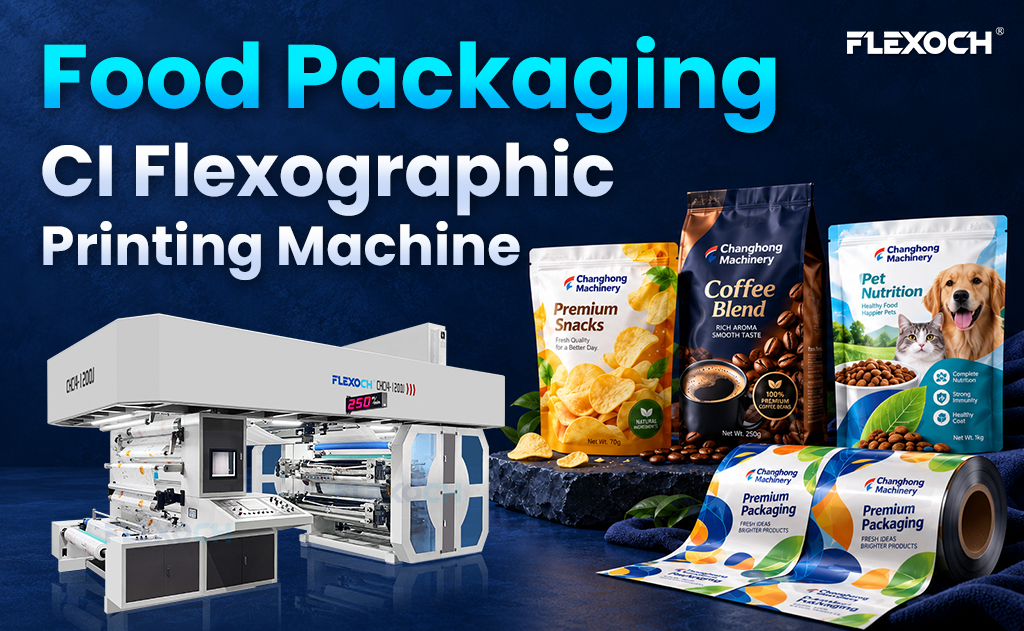
Central impression (CI) flexographic printing machines use a large central impression cylinder to support the substrate as it passes through multiple printing stations. This structure helps maintain stable material positioning and is particularly suitable for multicolor printing on flexible films.
CI flexo presses are widely used in flexible packaging applications where accurate color registration and consistent print quality are important. Depending on the configuration, they can support materials such as PE, BOPP, PET, CPP, and laminated films.
Gearless Flexographic Printing Machines
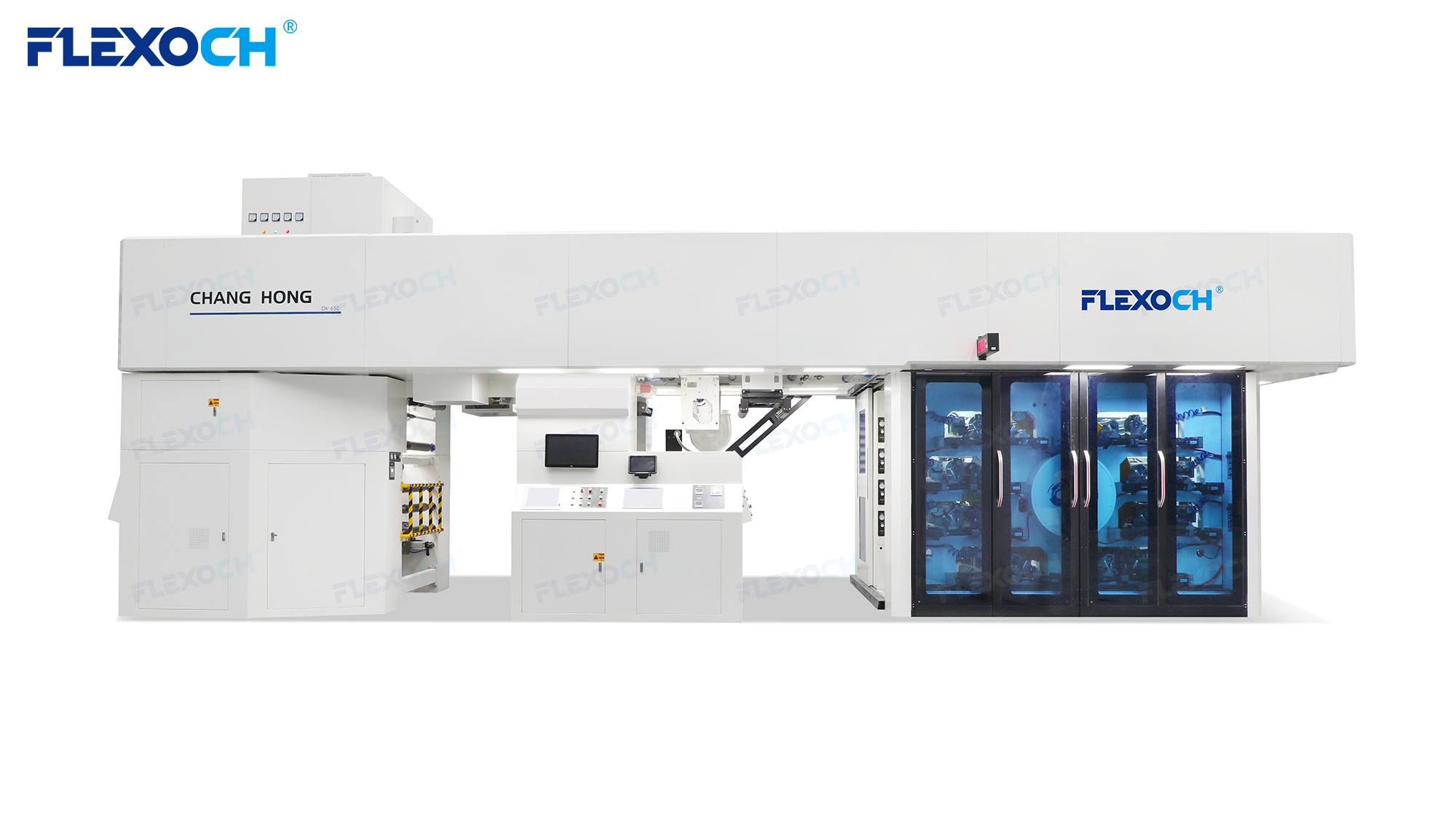
Gearless flexographic printing technology uses electronically controlled drives rather than relying on conventional mechanical gearing between printing units. Servo drive systems allow individual printing stations to be controlled and synchronized electronically.
This configuration can support precise registration control, flexible production settings, and efficient operation. It is particularly relevant to manufacturers seeking greater automation and improved control over demanding printing jobs.
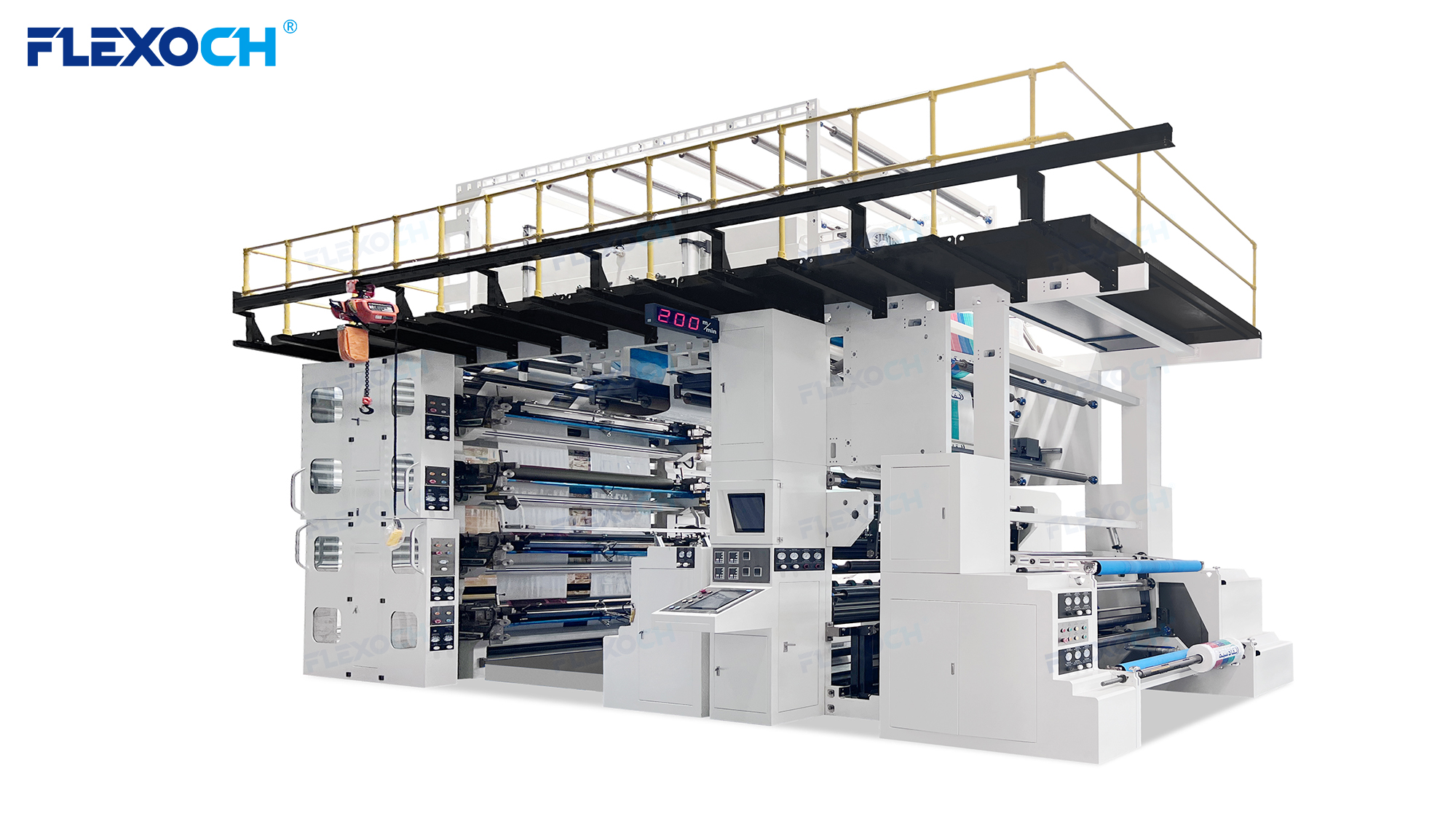
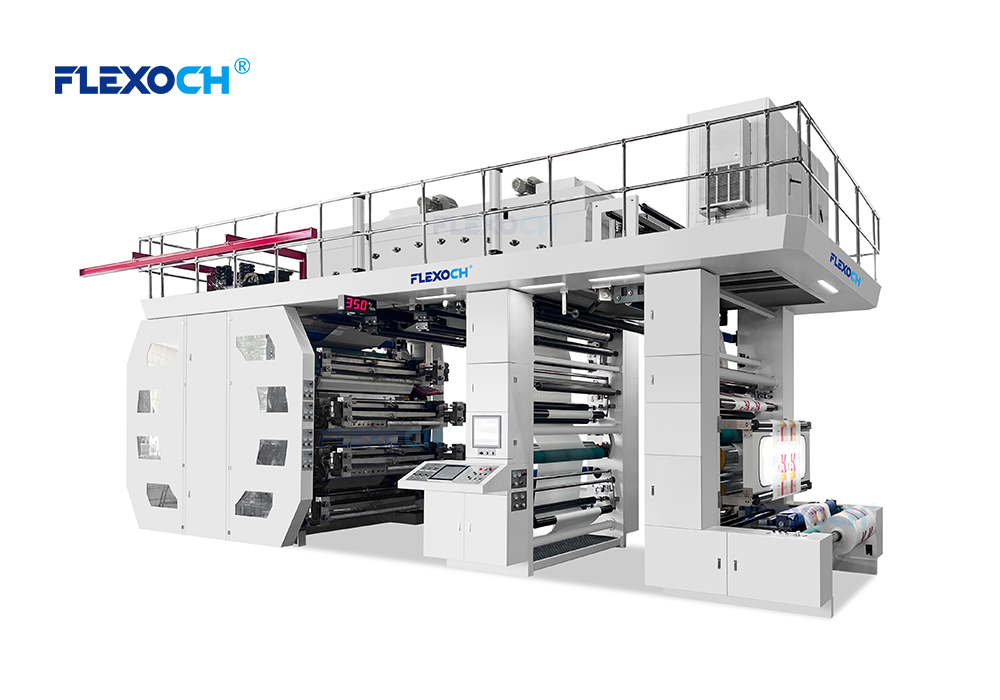
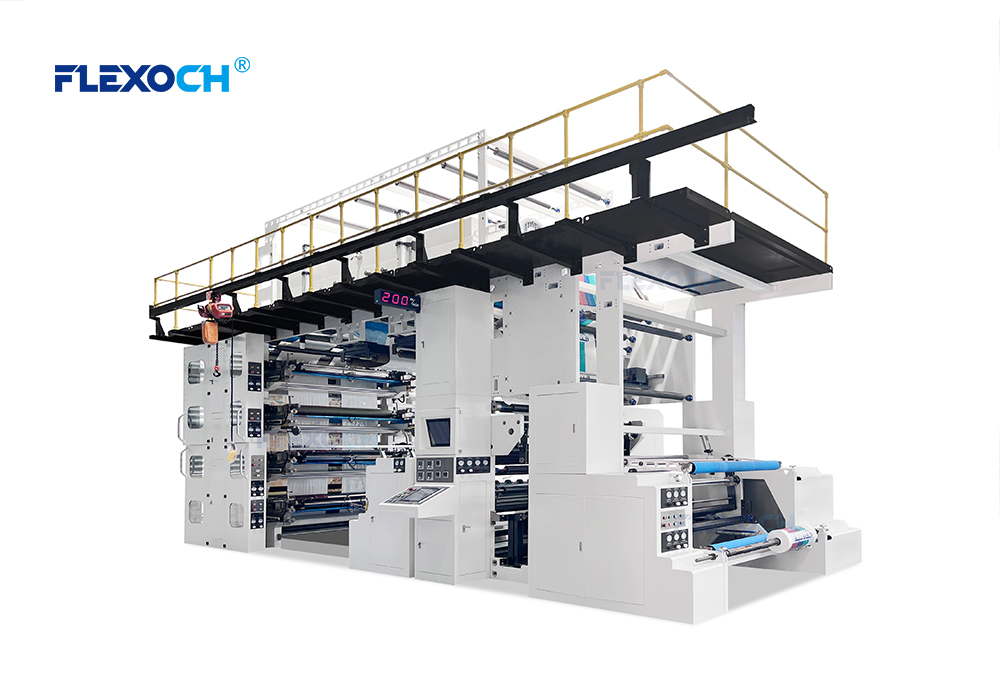
Stack flexographic printing machines arrange their printing units vertically, providing a flexible structure for different printing applications. Depending on the machine design, stack presses can accommodate a variety of substrates, including plastic films, paper, nonwoven materials, and PP woven fabrics.
They are suitable for manufacturers that need versatile printing configurations for packaging bags and other printed roll materials.
Inline Flexographic Printing Machines
Inline flexographic printing machines integrate printing stations along a production line and can be configured to work with compatible downstream processing equipment. Depending on the application, this arrangement can help streamline production workflows and reduce the need for separate processing stages.
Selecting the appropriate machine structure allows packaging manufacturers to build a production system that aligns with their products, workflow, and long-term business plans.


3. Supporting Different Packaging Materials and Industries
Packaging manufacturers work with a wide range of materials, each presenting different printing and handling requirements.
Plastic films such as PE, BOPP, PET, and CPP are commonly used for flexible packaging because of their barrier properties, strength, and versatility. Paper and kraft paper are important materials for bags, wrapping, and other packaging products. Nonwoven fabrics and PP woven materials serve additional applications where durability and specific mechanical properties are required.
FLEXOCH flexographic printing solutions can be configured for different substrates and production conditions, depending on the selected machine model.
Typical application areas include:
- Food packaging:Snack bags, confectionery wrappers, frozen food packaging, bakery bags, and flexible pouches.
- Daily consumer goods:Packaging for household products, personal care products, and other fast-moving consumer goods.
- Paper packaging: Paper bags, kraft paper packaging, and other printed paper products.
- Industrial packaging:Printed films, heavy-duty bags, and selected industrial packaging materials.
- Specialized flexible packaging:Multilayer films and other compatible substrates used in customized packaging applications.
Material compatibility depends on the machine configuration, ink system, drying requirements, and substrate properties. Evaluating these factors before selecting equipment helps manufacturers achieve more reliable printing results.


4. Engineering Features That Support Production Stability
Consistent printing performance depends on the coordination of mechanical systems, material handling, ink transfer, and drying.
FLEXOCH machines can incorporate different technologies according to the model and customer requirements.
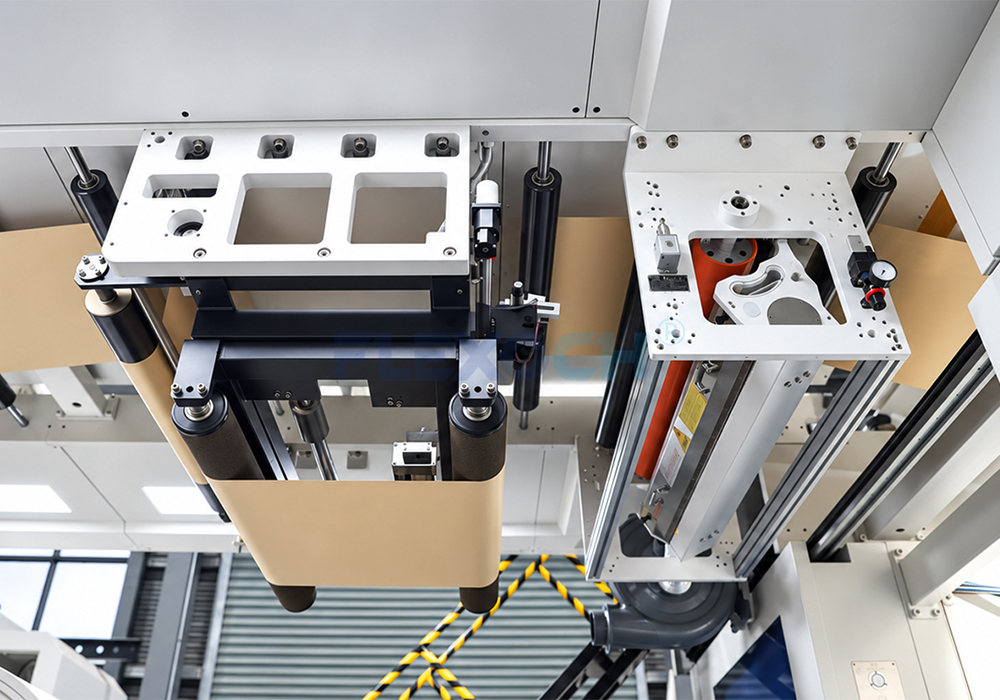
Web tension control helps maintain stable substrate movement throughout the printing process. Proper tension management is especially important when handling thin films that may stretch, wrinkle, or shift during production.
Automatic register control helps monitor and correct the alignment of different printing colors. This function is valuable for multicolor packaging designs that contain detailed graphics, logos, and fine text.
Ink delivery and doctor blade systems help regulate ink transfer to support consistent color density. Appropriate ink management also contributes to stable printing conditions across production runs.
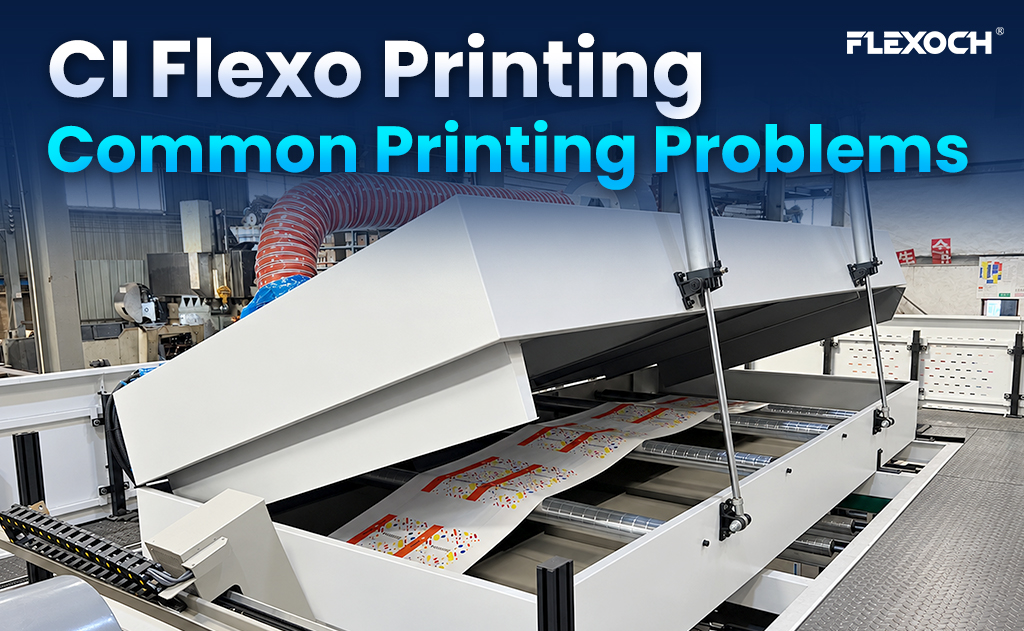
Drying systems help remove ink solvents or water, depending on the selected ink system, before the printed material proceeds to subsequent printing stations or winding.
Unwinding and rewinding systems support continuous roll-to-roll production. Their configuration should match the material characteristics, roll dimensions, and production requirements.
When these systems are properly selected and adjusted, they help establish a more stable production process and support consistent print quality.

5. Quality-Focused Manufacturing and Equipment Selection
Choosing a flexographic printing machine involves evaluating more than the machine’s maximum speed or number of colors. Buyers should consider the complete production process, from material loading and printing to drying, inspection, and finished-roll handling.
Important selection factors include:
- Required printing width and repeat length
- Number of colors and registration requirements
- Substrate types and thickness ranges
- Expected production volume
- Ink type and drying requirements
- Automation and changeover needs
- Maintenance accessibility and spare parts planning
Manufacturers should also clarify acceptance criteria, installation requirements, operator training, and technical support before placing an order.
For equipment suppliers, understanding these details is essential to recommending a suitable configuration. For buyers, providing accurate production information helps reduce the risk of selecting a machine that does not fully meet their operational needs.
FLEXOCH focuses on application-oriented equipment selection so that customers can evaluate machine configurations according to their real production requirements.


6. Building Long-Term Partnerships with Global Customers
For international buyers, purchasing printing equipment is the beginning of a long-term production relationship. Clear technical communication, accurate specification confirmation, and dependable coordination are important throughout the purchasing process.
Packaging manufacturers may operate in different markets, use different materials, and have varying production priorities. Some focus on high-volume flexible packaging, while others require greater flexibility for shorter runs or a wider range of substrates.
Understanding these differences helps equipment suppliers develop more appropriate solutions.
FLEXOCH serves the needs of packaging manufacturers looking for flexographic printing equipment across different applications. By focusing on machine configuration, production requirements, and practical printing considerations, FLEXOCH aims to help customers make informed equipment decisions and build efficient printing operations.
For specific projects, buyers should discuss the intended substrate, print samples, production targets, and required machine functions with the supplier before finalizing the technical specification.
Conclusion
The development of modern packaging requires printing equipment that combines reliable engineering, consistent print quality, and the flexibility to handle changing production demands. Selecting the right flexographic printing machine manufacturer is therefore an important decision for packaging businesses seeking sustainable growth.
With a range of CI, gearless, stack, and inline flexographic printing solutions, FLEXOCH supports different packaging applications and production requirements. By considering substrate compatibility, registration accuracy, tension control, drying performance, and machine configuration, manufacturers can build printing processes that better match their operational goals.
For packaging converters planning to upgrade existing equipment or expand production capacity, FLEXOCH offers a starting point for exploring flexographic printing solutions tailored to their business needs. The right equipment configuration can help establish a foundation for consistent printing, efficient production, and long-term competitiveness in global packaging markets.