







What Is a CI Flexo Printing Machine? Understanding Central Impression Flexographic Printing
In the flexible packaging industry, printing quality, production efficiency, and color consistency are critical factors for manufacturers serving demanding global markets. As packaging designs become more complex and production requirements continue to increase, CI Flexo Printing Machine technology has become an important solution for high-quality roll-to-roll printing.
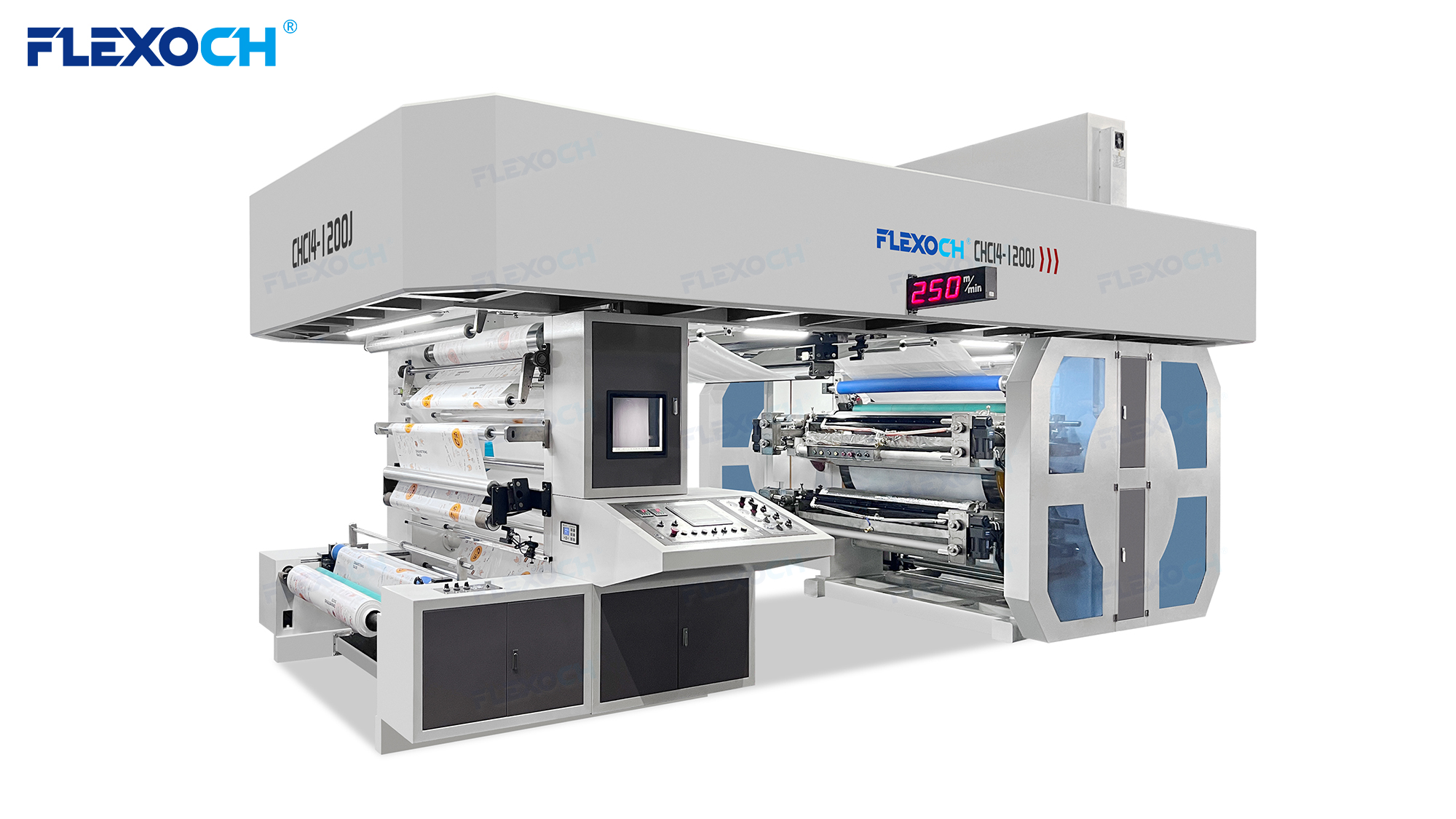
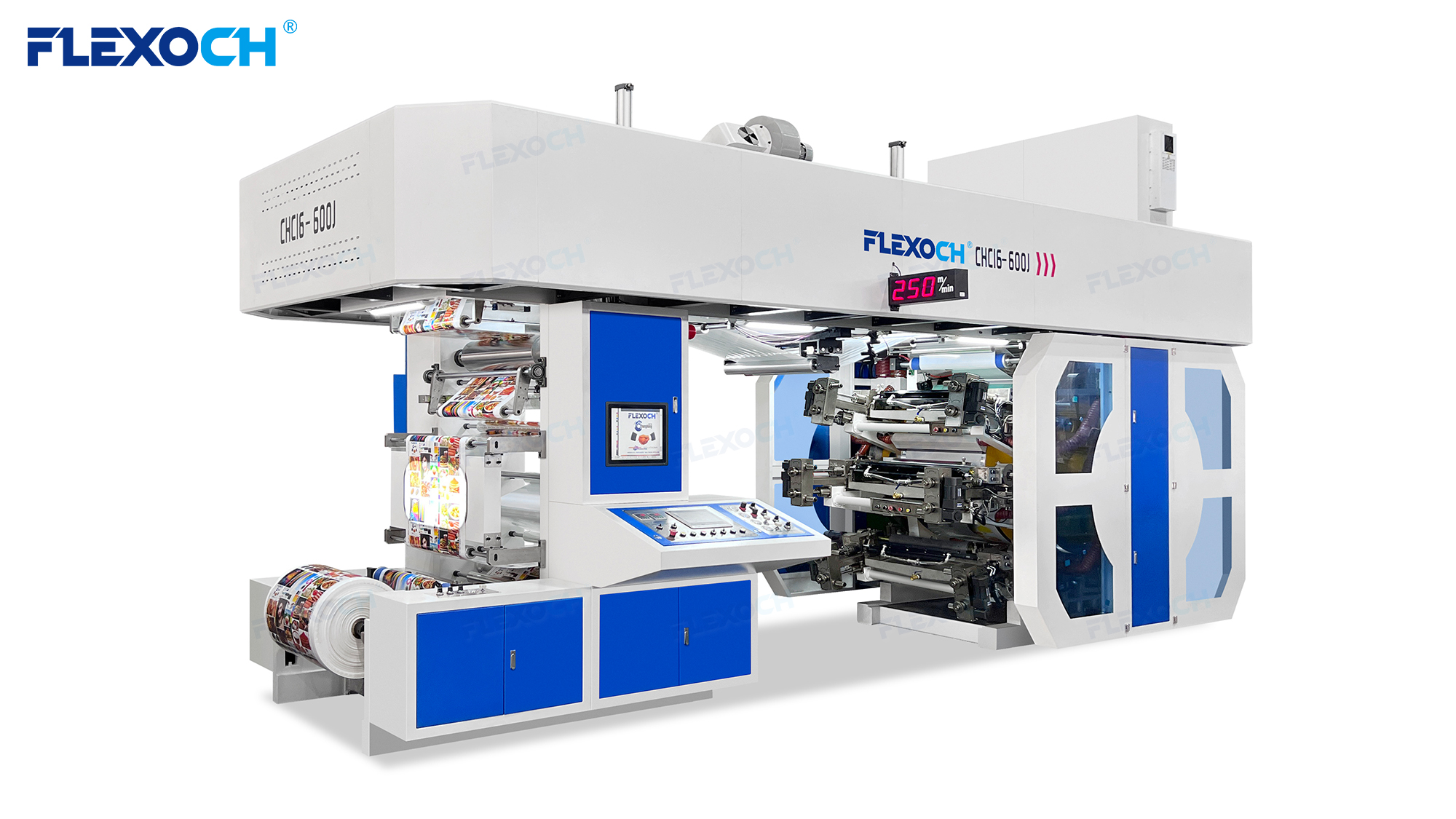
A CI press, also known as a Central Impression press, uses a large central impression cylinder to support the substrate as it passes through multiple printing units. This configuration helps maintain stable web tension and accurate registration throughout the printing process.
For manufacturers producing flexible packaging, films, bags, and other roll-fed products, understanding how a CI Flexographic Printing Machine works can help them select the right printing technology for their production requirements.
Table of Contents
ToggleWhat Is a CI Flexo Printing Machine?
A CI Flexo Printing Machine is a type of flexographic printing press in which multiple printing units are arranged around a large central impression cylinder. The substrate remains supported against the cylinder as it passes through each printing station.
This arrangement is particularly useful when printing on thin or flexible materials, where maintaining stable registration can be challenging. By keeping the web in consistent contact with the impression cylinder, the press provides controlled material handling throughout the multi-color printing process.
A typical press may include four, six, eight, or more printing colors. Each station applies a specific ink color, and the individual colors are combined to produce the final image.
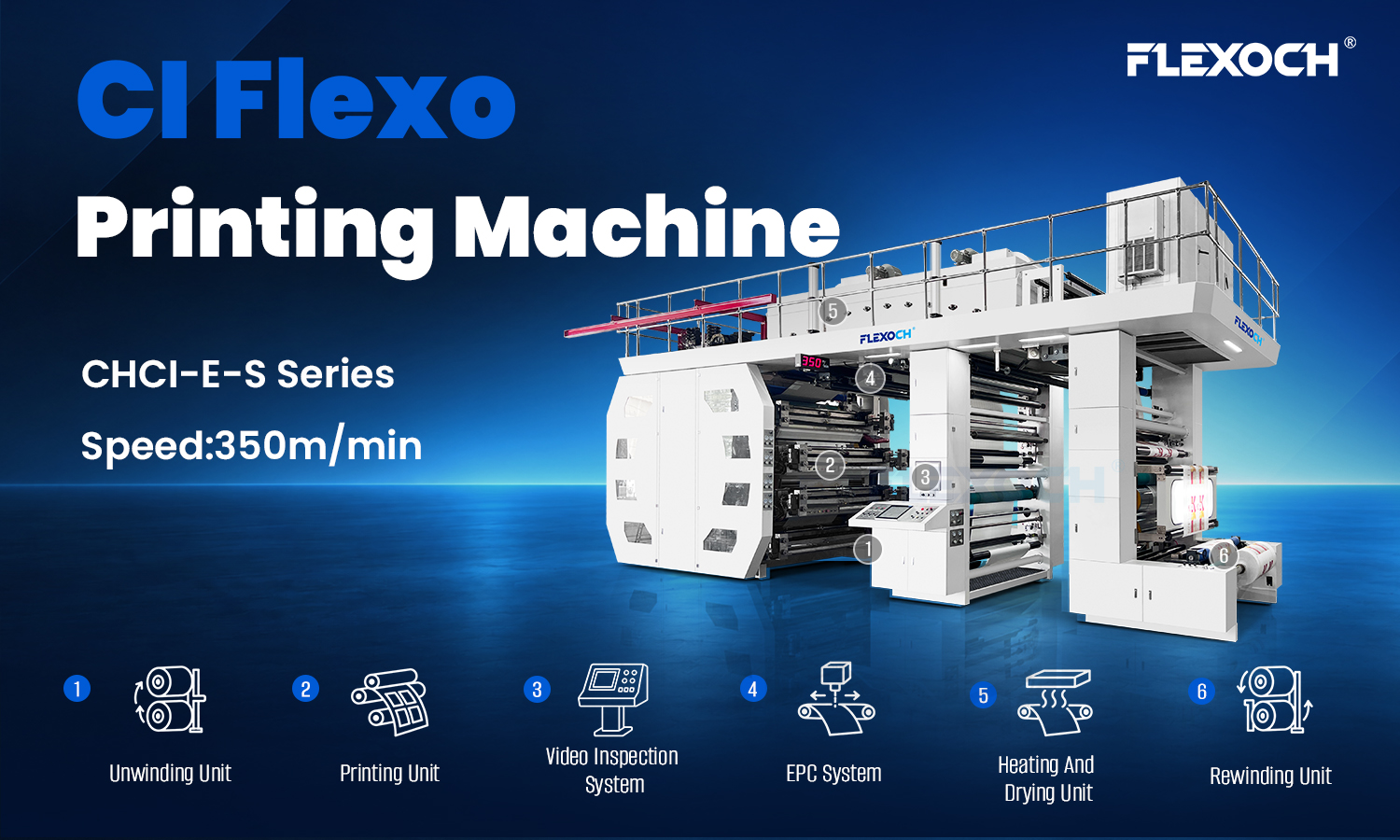
The basic printing process includes:
- Substrate unwinding
- Web tension control
- Ink metering and transfer
- Multi-color printing
- Intermediate drying
- Final drying
- Web inspection
- Rewinding
This configuration makes the Central Impression Flexo Printing Machine particularly suitable for demanding flexible packaging applications.
How Does Central Impression Flexographic Printing Work?
The central impression cylinder is the key structural component of this type of press. Multiple printing stations are positioned around it, while the substrate remains in close contact with its surface during production.
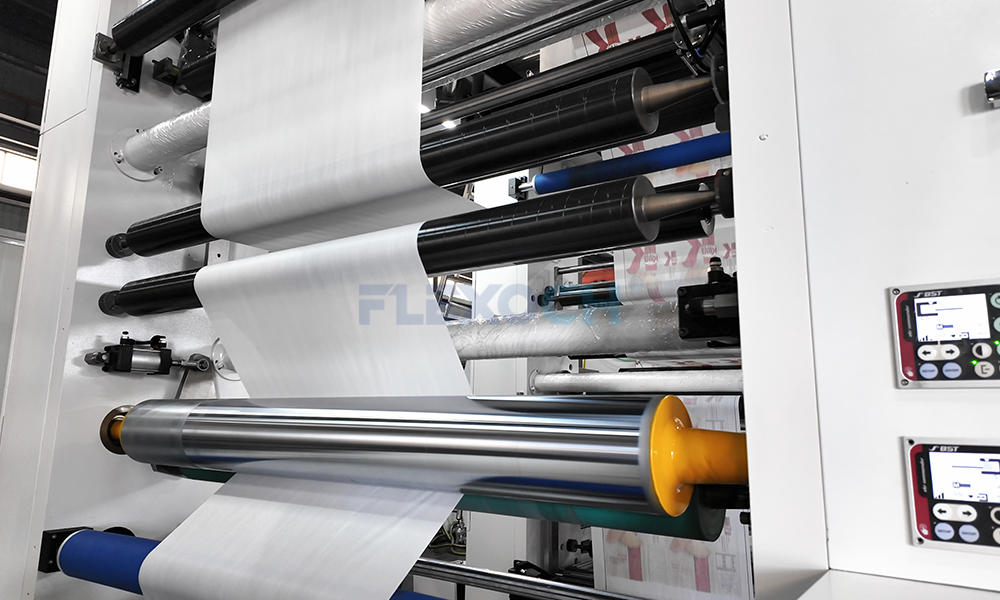
At each station, an anilox roller meters a controlled quantity of ink and transfers it to the printing plate. The plate then transfers the image onto the substrate.
Because the material is supported by the same impression cylinder as it passes through the different stations, the position of each color can be controlled more consistently. This is one reason a central impression flexo press is widely used for flexible films and packaging materials.
Modern systems can also incorporate automatic register control and closed-loop tension management. These technologies monitor production conditions and make adjustments during operation, helping maintain consistent print quality during long production runs.
Material Feeding Diagram

Why Is This Technology Suitable for Flexible Packaging?
Flexible packaging materials are often thin, lightweight, and sensitive to tension and temperature changes. PE, BOPP, PET, CPP, and other films can therefore present particular challenges during high-speed printing.
The central impression configuration provides continuous support for the web during multi-color printing, helping reduce unwanted movement and maintain stable registration.
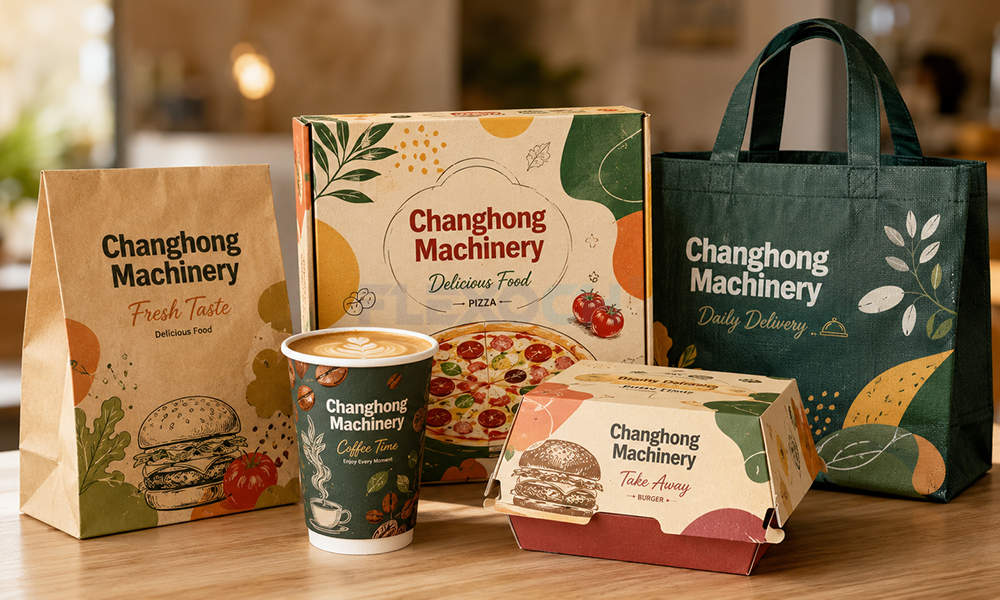
Common applications include:
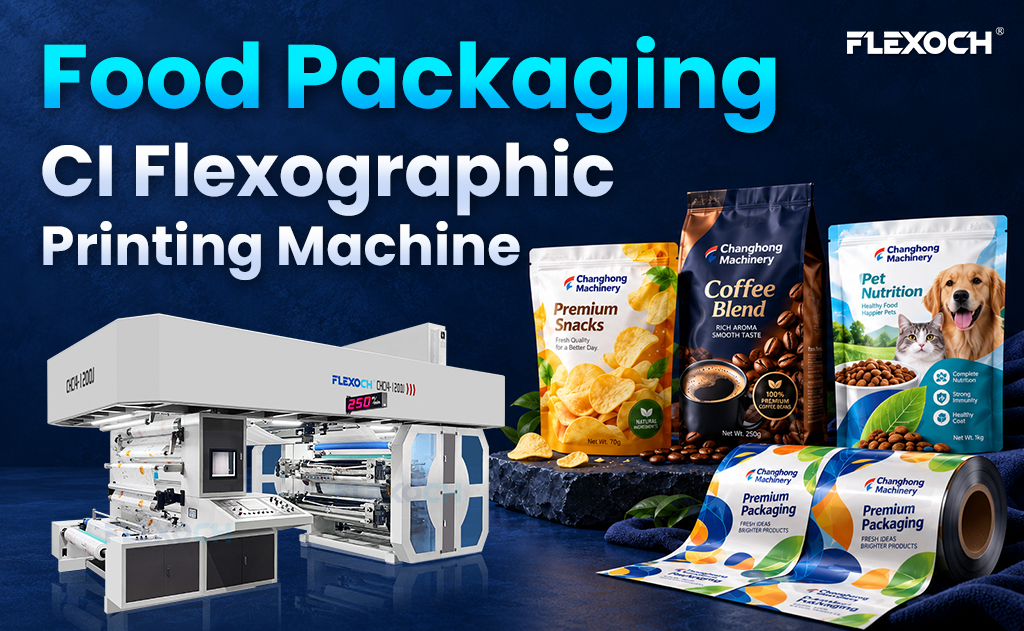
- Food packaging films
- Snack and confectionery packaging
- Beverage packaging
- Household product packaging
- Personal care packaging
- Pharmaceutical packaging
- Agricultural film
- Industrial packaging
- Printed plastic bags
- Laminated packaging materials
For manufacturers looking for a reliable Flexible Packaging Printing Machine, this technology offers a combination of print quality, production flexibility, and high-speed operation.

Food Packaging

Beverage packaging

Medical Packaging
Eco-Friendly Packaging

Daily Chemical Packaging

Industrial & Agricultural Packaging
Key Components of the Printing System
A modern CI Flexo Printing Press consists of several integrated systems that work together to achieve stable and efficient production.
1. Central Impression Cylinder
The central impression cylinder provides continuous support for the substrate as it travels through the printing stations.
Its dimensional accuracy, mechanical stability, and temperature management can influence registration and overall print quality.
2. Printing Units
Each printing unit is responsible for transferring one color. Depending on the machine configuration, manufacturers can select the number of colors according to their packaging designs and production requirements.
Independent drive systems can also be used to control the printing cylinders with high precision.
3. Anilox Roller
The anilox roller meters the ink before it reaches the printing plate. Its specifications can be selected according to the ink system, substrate, printing speed, and required ink coverage.
Consistent ink metering is important for maintaining stable color density throughout a production run.
4. Automatic Register Control
In multi-color printing, even a small registration deviation can affect the appearance of the finished package.
Automatic register systems monitor registration marks and adjust relevant printing parameters to maintain color-to-color alignment.
5. Web Tension Control
Stable web tension is essential when printing flexible films. Excessive or insufficient tension can contribute to deformation, wrinkles, and registration problems.
Closed-loop tension control allows the system to monitor and regulate web tension during different stages of production.
6. Drying System
After each printing stage, the ink needs to be sufficiently dried before the web reaches the next station. A properly designed drying system supports high-speed production while helping maintain consistent ink performance.
Video Introduction
Comparing Press Configurations
Flexographic presses can generally be configured in several ways, including stack, inline, and central impression designs.
The primary difference is the arrangement of the printing units and the way the substrate is supported as it moves through the press.
In a central impression configuration, multiple printing units are positioned around one large impression cylinder. An inline press arranges the units sequentially along the web path, while a stack press places the units vertically in a stacked arrangement.
The appropriate configuration depends on factors such as substrate type, printing application, number of colors, production speed, available space, and required print quality.
For flexible film applications requiring multi-color printing, the Central Impression Flexo Printing Machine can provide stable web support and efficient continuous production.

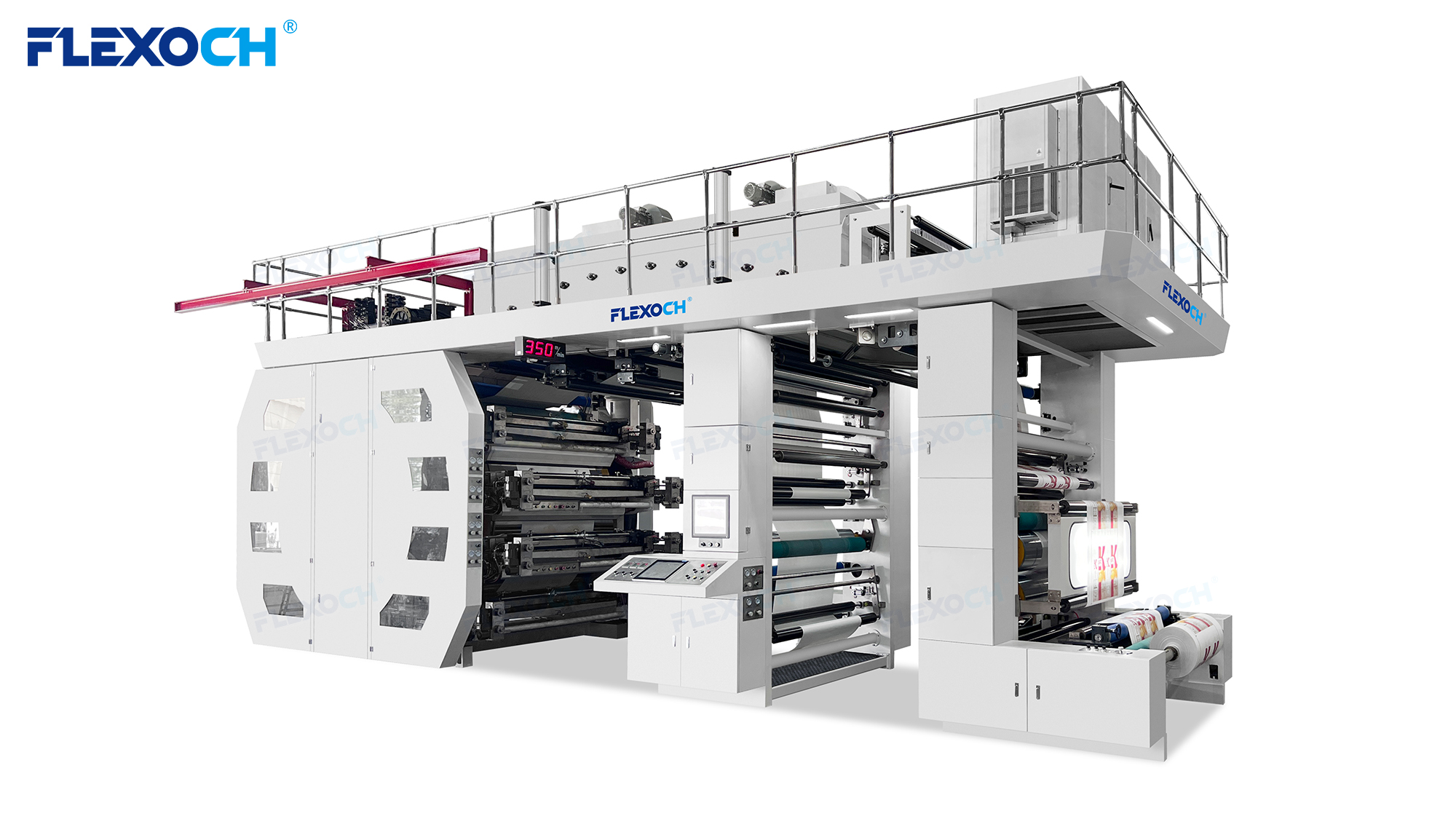
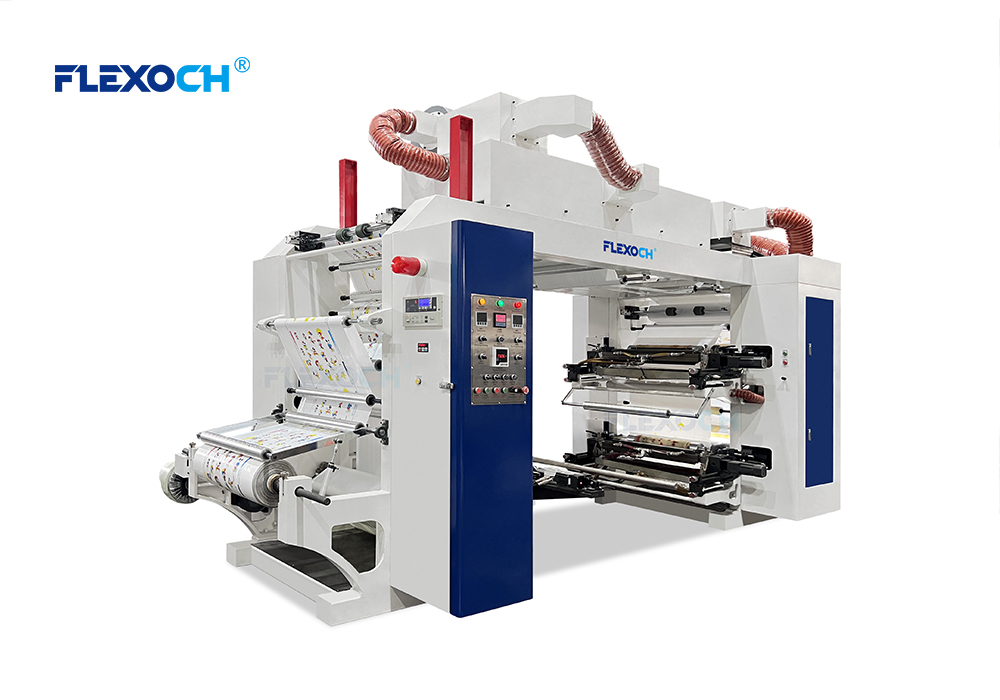
CHCI-E-S 6 Color Sleeve Type Ci Flexo Printing Machine 350m/min
Advantages of Modern Flexographic Printing Technology
Modern flexographic equipment has developed significantly beyond traditional mechanical systems. Today’s presses can combine central impression technology with servo drives, automatic registration, intelligent tension management, sleeve technology, and automated production functions.
Key advantages include:
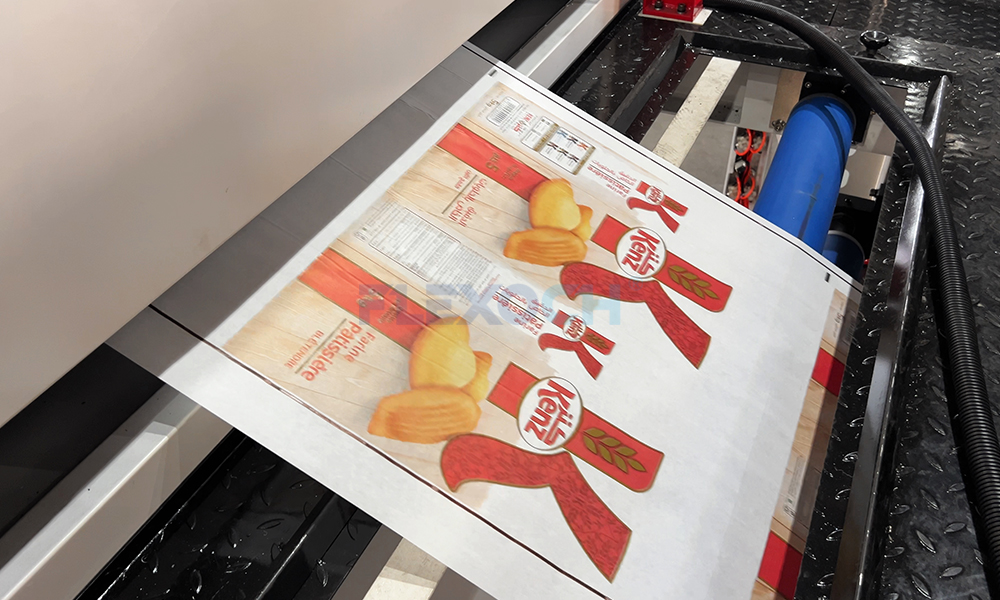
High Printing Accuracy:Stable substrate support and register control can help maintain consistent color-to-color alignment.
High Production Speed:The roll-to-roll configuration is suitable for continuous industrial production and demanding output requirements.
Wide Material Compatibility:The technology can be adapted to various flexible substrates, including different plastic films and packaging materials.
Consistent Print Quality:Accurate ink metering, controlled web tension, and effective drying contribute to repeatable printing results.
Efficient Production:Automation can help reduce setup time, material waste, and manual intervention.
Flexible Color Configuration:Different machine configurations allow manufacturers to select the number of printing stations according to their product requirements.
What Should You Consider When Choosing a Printing Machine?
When selecting equipment, manufacturers should look beyond maximum printing speed.
Important considerations include substrate types, maximum web width, number of printing colors, repeat length, ink system, drying capacity, register accuracy, web tension control, automation level, and overall production requirements.
The intended production environment is equally important. A manufacturer producing large volumes of PE film may have different requirements from a company specializing in high-value specialty packaging.
Machine configuration should therefore be matched to the specific application rather than selected according to one specification alone.
FLEXOCH: Printing Solutions for Modern Packaging
As flexible packaging continues to evolve, manufacturers are placing greater emphasis on precision, automation, efficiency, and production stability.
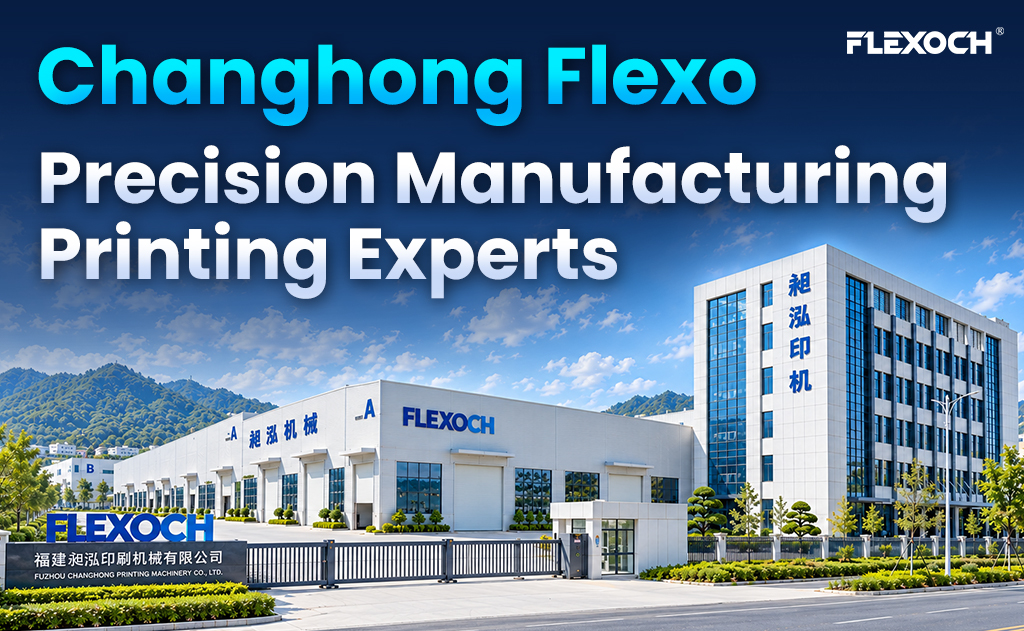
FLEXOCH Focuses on advanced flexographic printing solutions designed to meet the changing requirements of modern packaging production. By combining central impression technology with precision control systems and production-oriented machine design, FLEXOCH provides solutions for manufacturers seeking reliable and efficient roll-to-roll printing performance.
Whether the application involves flexible packaging films, printed bags, or other roll-fed substrates, selecting the appropriate printing equipment can have a significant impact on production efficiency and final print quality.
Conclusion
A CI Flexo Printing Machine uses a central impression cylinder to support the substrate while multiple printing units apply different colors in sequence. This configuration provides important advantages for flexible film printing, particularly where stable web handling, accurate registration, high production speed, and consistent print quality are required.
With developments in servo technology, automatic register control, tension management, drying systems, and production automation, modern flexographic presses have become highly capable solutions for flexible packaging manufacturers.
For companies evaluating a new Flexible Packaging Printing Machine, understanding the structure, operating principle, and practical advantages of central impression printing is an important first step toward selecting suitable equipment.
FLEXOCH continues to develop flexographic printing solutions focused on precision, efficiency, and dependable production performance for the global packaging industry.