






How to Choose the Right Central Impression Flexo Press for Your Packaging Business
In today’s flexible packaging market, manufacturers are facing increasing demands for higher print quality, faster production speeds, shorter delivery cycles, and more customized packaging designs. Selecting the right printing equipment has become an important decision that directly affects production efficiency, product quality, and long-term operating costs.
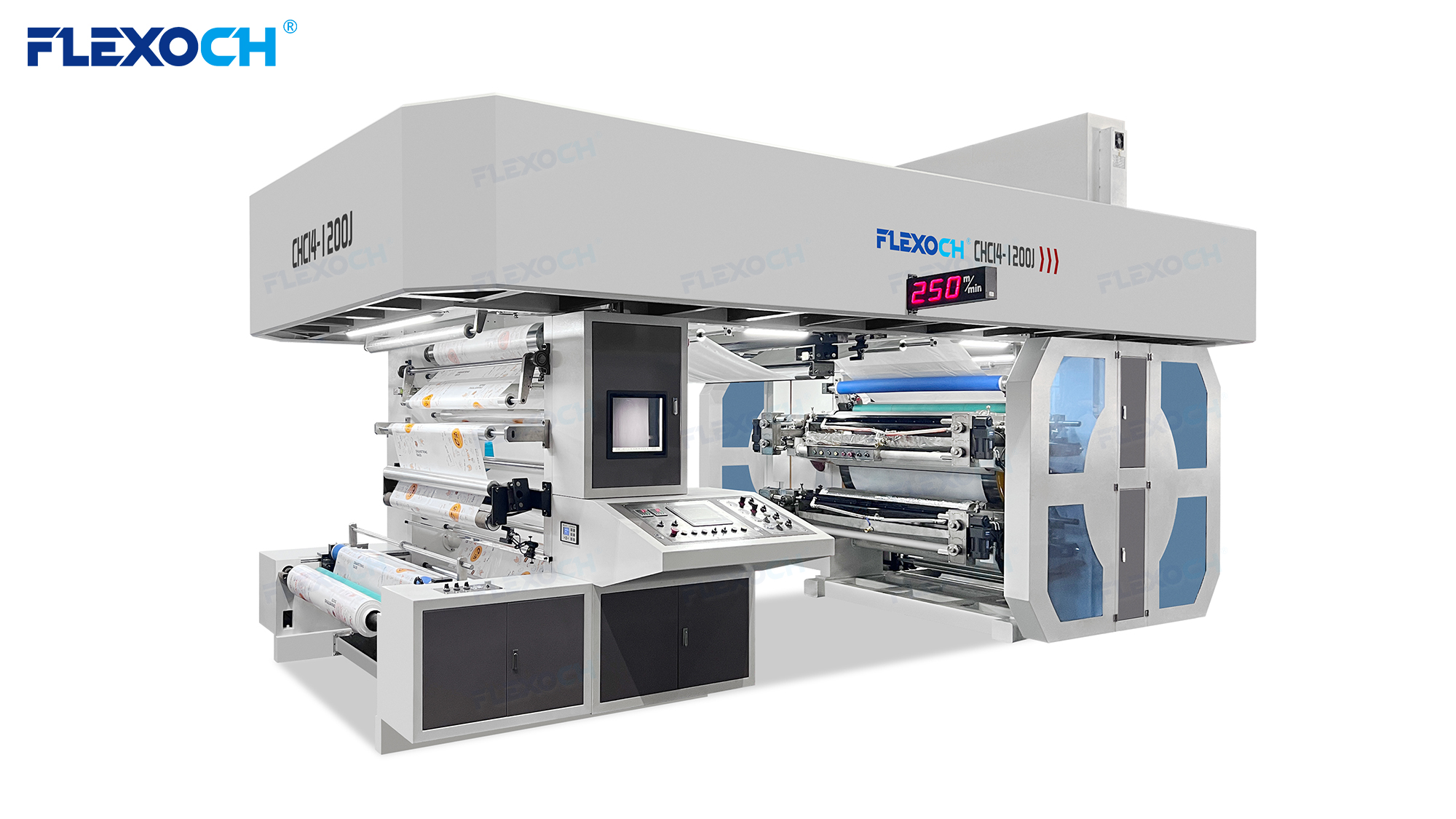
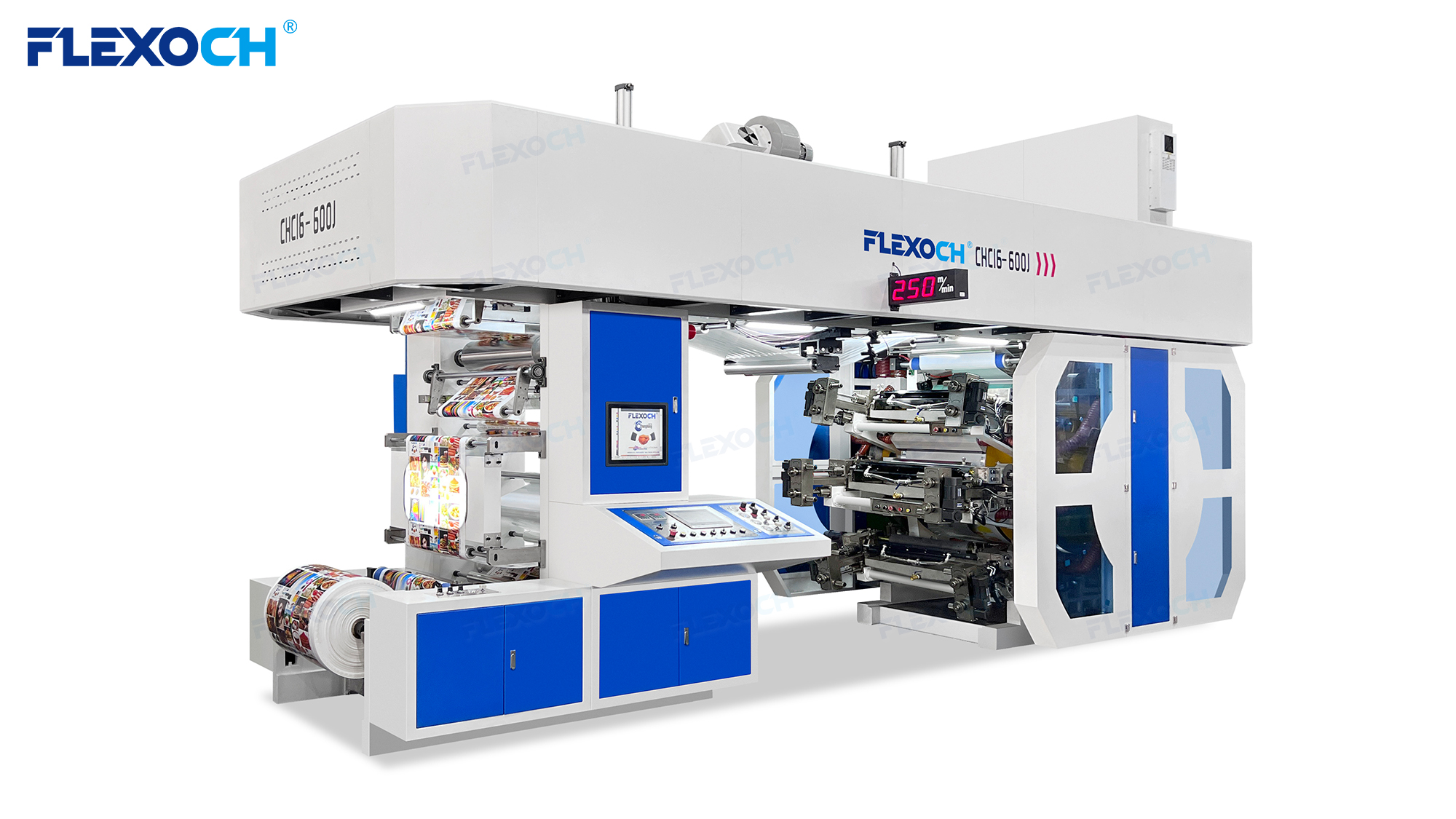
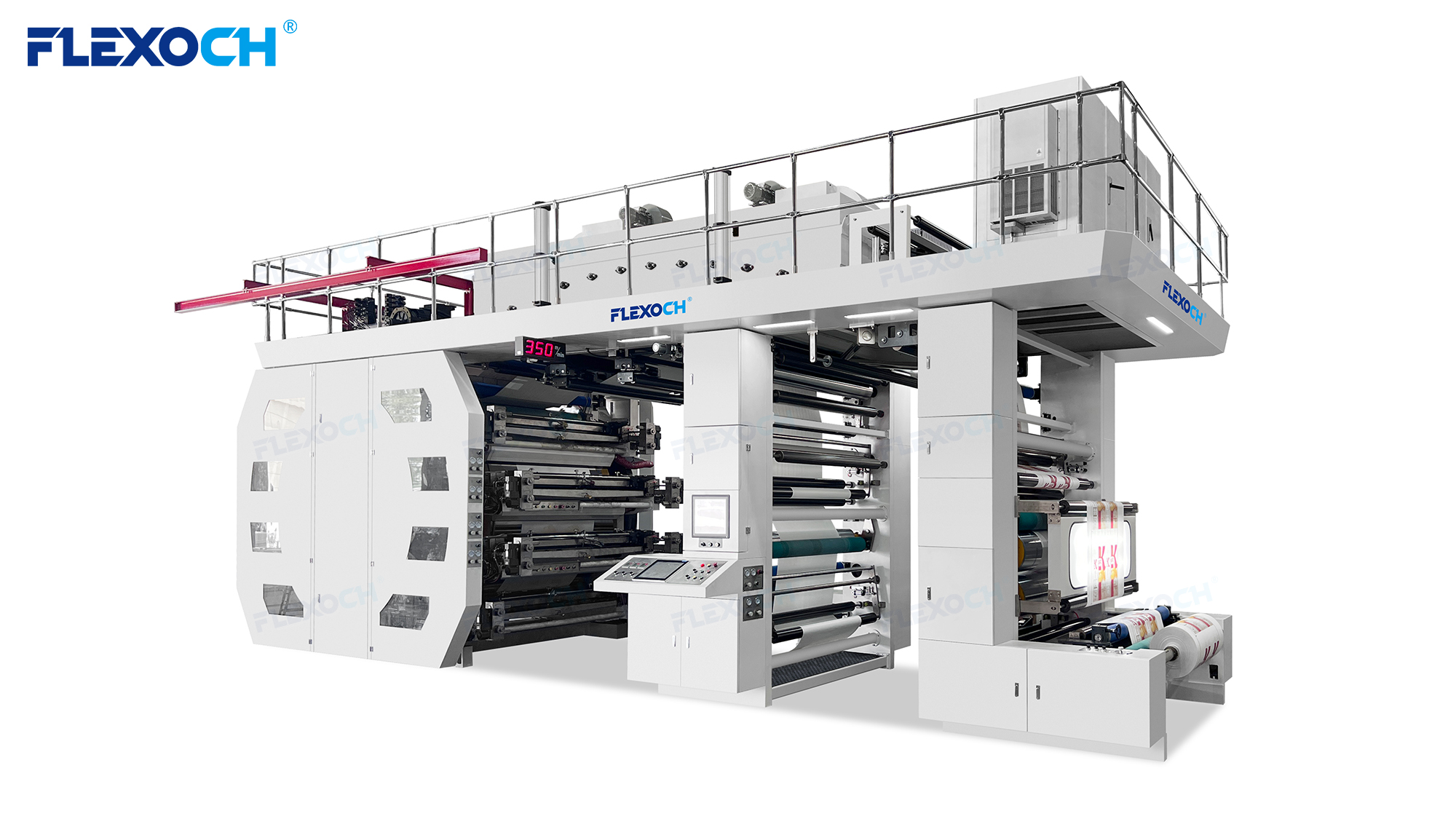
A central impression flexo press is widely recognized as an advanced solution for high-quality flexible packaging production. With its unique central impression cylinder design, stable web handling capability, and compatibility with various substrates, it is commonly used for printing plastic films, paper, nonwoven materials, and other roll-to-roll packaging products.
However, choosing the right equipment requires more than comparing machine speed or the number of printing colors. Manufacturers need to evaluate their production requirements, material types, automation level, and future business development goals.
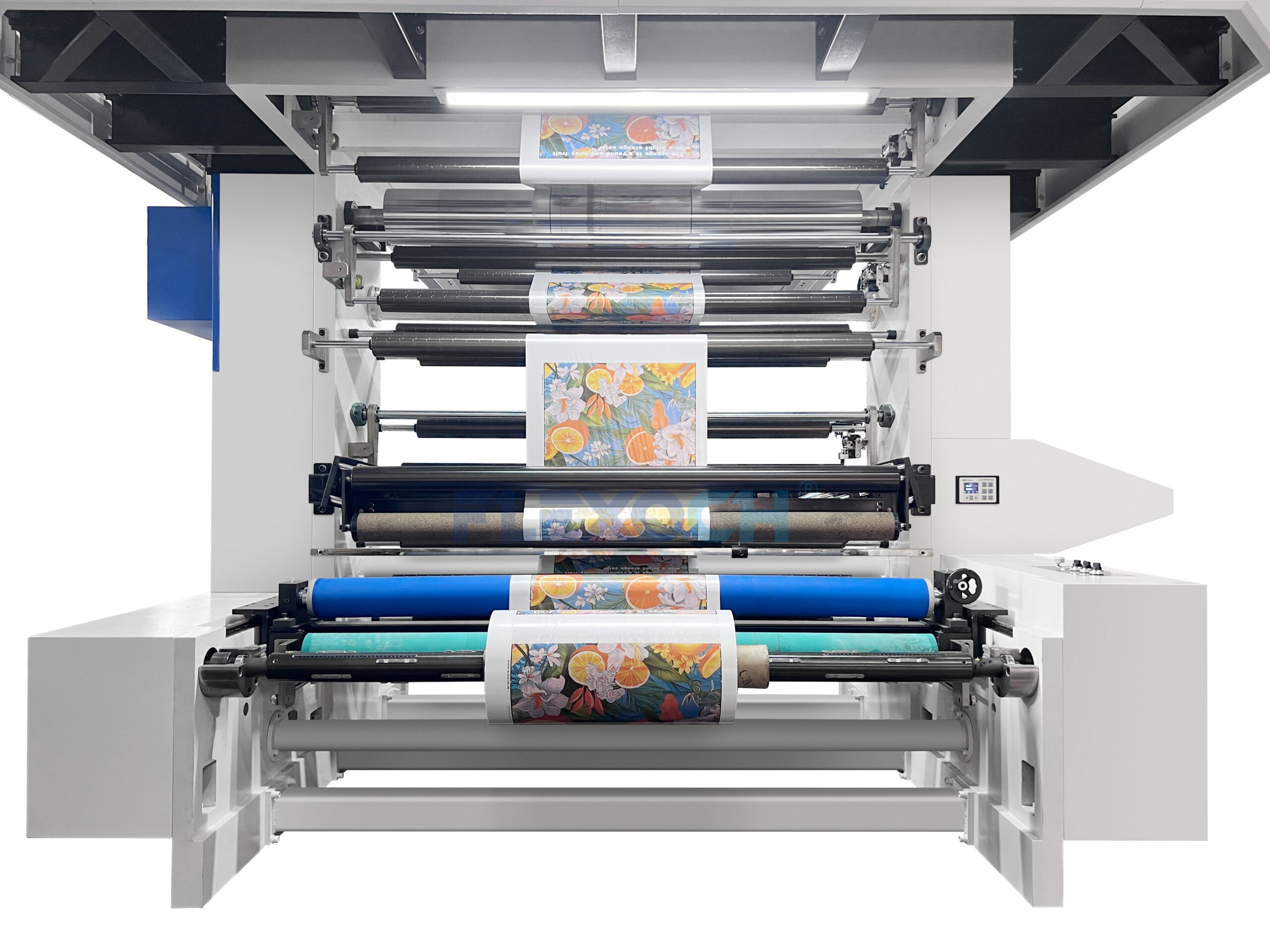
Table of Contents
ToggleUnderstand Your Printing Requirements First
Before investing in a new printing machine, manufacturers should clearly define their production requirements. Different packaging applications require different machine configurations.
Important factors include:
Substrate Types
The materials you plan to print have a direct impact on machine selection.
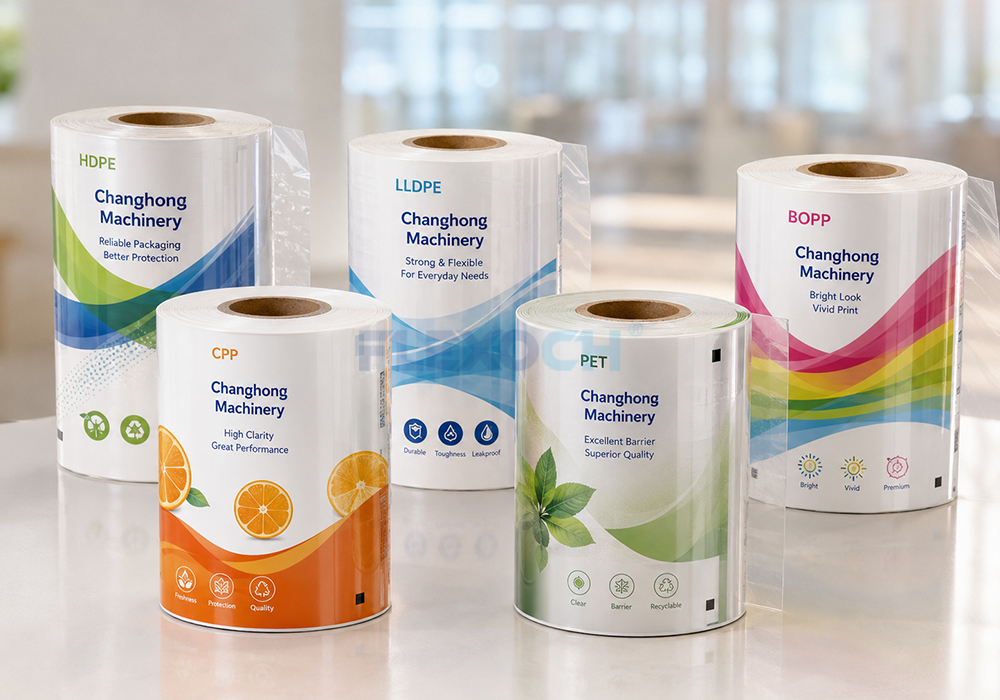
Common substrates for flexible packaging include:
- PE film
- BOPP film
- PET film
- CPP film
- Paper
- Nonwoven materials
- Aluminum foil laminates
- Heavy-duty packaging films
A suitable press should provide stable web handling and accurate printing performance across the required materials.


Printing Width
The maximum printing width determines the range of packaging products that can be produced.
Manufacturers should consider both current production needs and possible future expansion. Selecting a machine with an appropriate printing width can help avoid limitations when new product opportunities appear.
Number of Printing Colors
Color requirements vary depending on packaging design complexity.
A simple packaging design may only require fewer colors, while premium food packaging, cosmetic packaging, and branded products often require more complex multi-color printing.
Modern flexographic systems are available in different configurations, such as 4-color, 6-color, 8-color, and 10-color options.
Production Volume
High-volume packaging manufacturers should focus on equipment that can support continuous operation, stable output, and efficient job changes.
Machine speed, automation functions, and maintenance requirements all influence overall production capacity.
Video Introduction
Evaluate Printing Accuracy and Quality Control
Print quality is one of the most important factors when selecting packaging printing equipment.
A modern central impression flexo press uses a large impression cylinder to support the substrate during printing. This design helps maintain stable material positioning while multiple colors are applied.
When evaluating printing accuracy, consider:
Automatic Register Control
Multi-color packaging designs require precise color alignment. Automatic register systems can monitor registration marks and make real-time adjustments during production.
This helps reduce manual corrections and minimize material waste.
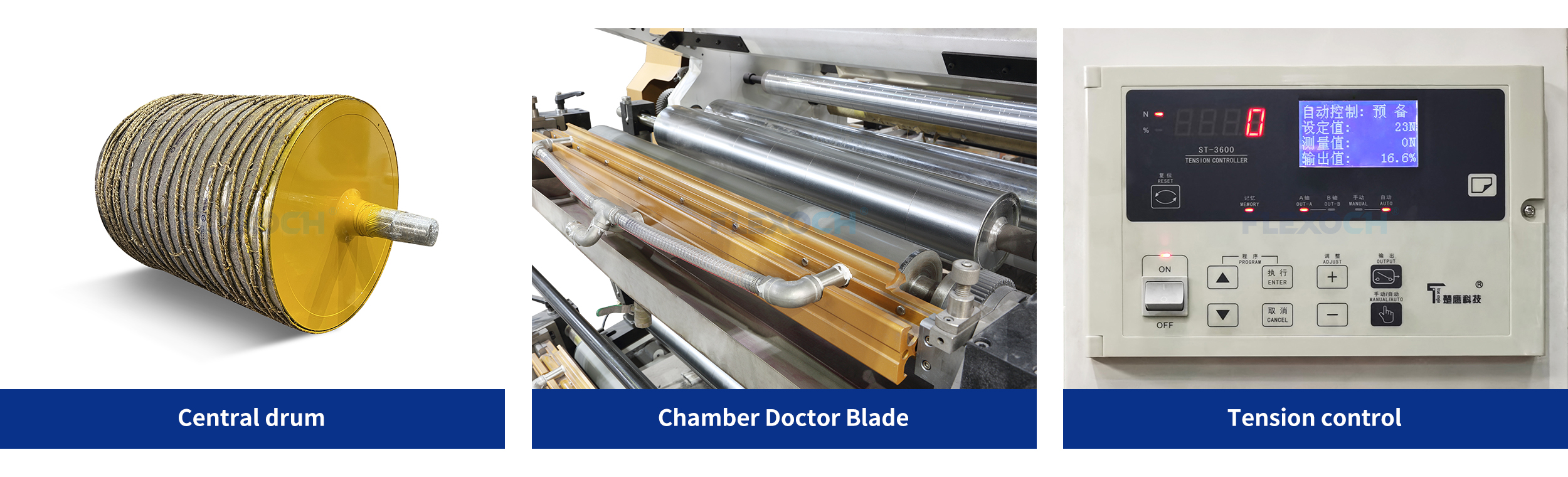
Web Tension Control
Flexible films can easily be affected by tension changes during high-speed printing.
Closed-loop tension control systems continuously monitor web movement and adjust operating parameters to maintain stable substrate handling.
Ink Management
Consistent ink transfer is essential for maintaining color quality.
Advanced systems may include chamber doctor blade technology, accurate ink circulation, and optional viscosity control to improve printing consistency.
Consider Machine Speed and Production Efficiency
Production speed is an important consideration, but maximum speed alone should not determine the final decision.
A high-speed press must also maintain stable printing quality throughout long production runs.
When comparing equipment, manufacturers should consider:
- Actual production speed
- Speed stability
- Setup time
- Changeover efficiency
- Material waste during startup
- Operator requirements
A well-designed central impression flexo press combines high-speed capability with reliable control systems to achieve efficient production.
Choose the Right Level of Automation
Automation has become a major trend in modern flexographic printing. The right automation features can improve productivity and reduce dependence on manual adjustments.
Key automation technologies include:
Full Servo Drive System:Traditional mechanical transmission systems can experience wear and require regular maintenance.
A full servo drive system provides independent control of printing units, improving synchronization accuracy and production stability.
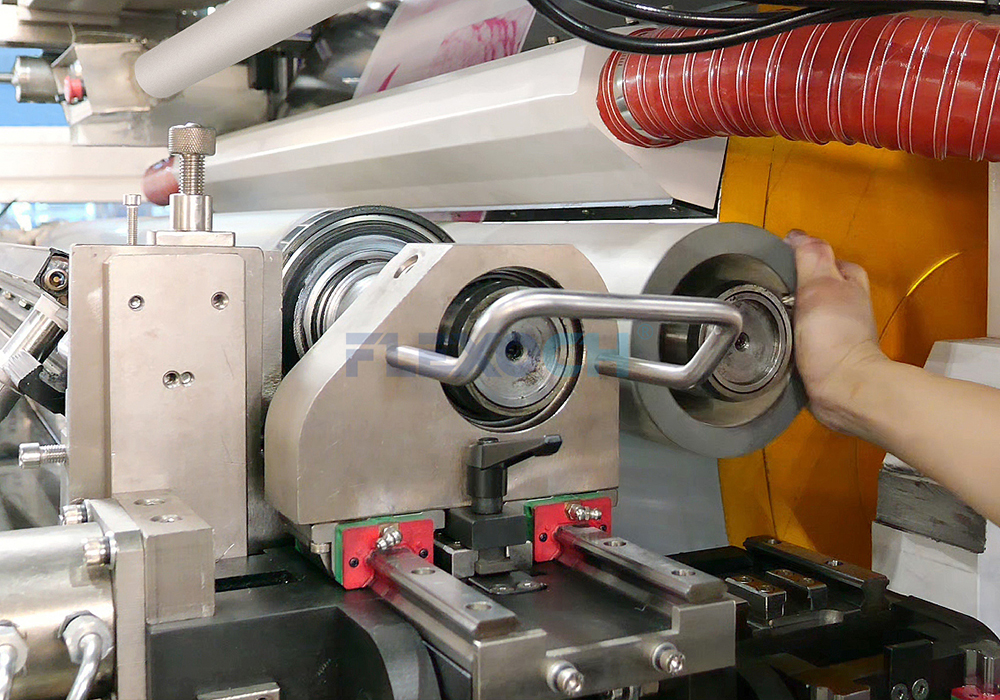
Sleeve Technology:Sleeve-type plate cylinders and anilox rollers can help reduce preparation time during job changes.
This allows manufacturers to switch products faster and improve overall equipment utilization.
Production Data Management:Advanced printing systems can integrate monitoring functions to help operators track production status, identify issues, and optimize manufacturing processes.
Compare Different Drive Systems
The drive system is one of the most important technical differences between traditional and modern flexographic presses.
Traditional systems may rely on mechanical gears to synchronize printing units. While effective, mechanical components can introduce wear over time.
Modern gearless technology uses electronic synchronization between servo motors. This provides several benefits:
- Higher printing accuracy
- Reduced mechanical maintenance
- Improved repeatability
- Faster adjustment response
- Better long-term stability
For manufacturers focused on premium packaging production, a gearless configuration can provide additional advantages.
Consider Maintenance and Long-Term Operating Costs
Purchasing a printing machine is a long-term investment. Beyond the initial equipment cost, manufacturers should consider daily operating expenses.
Important factors include:
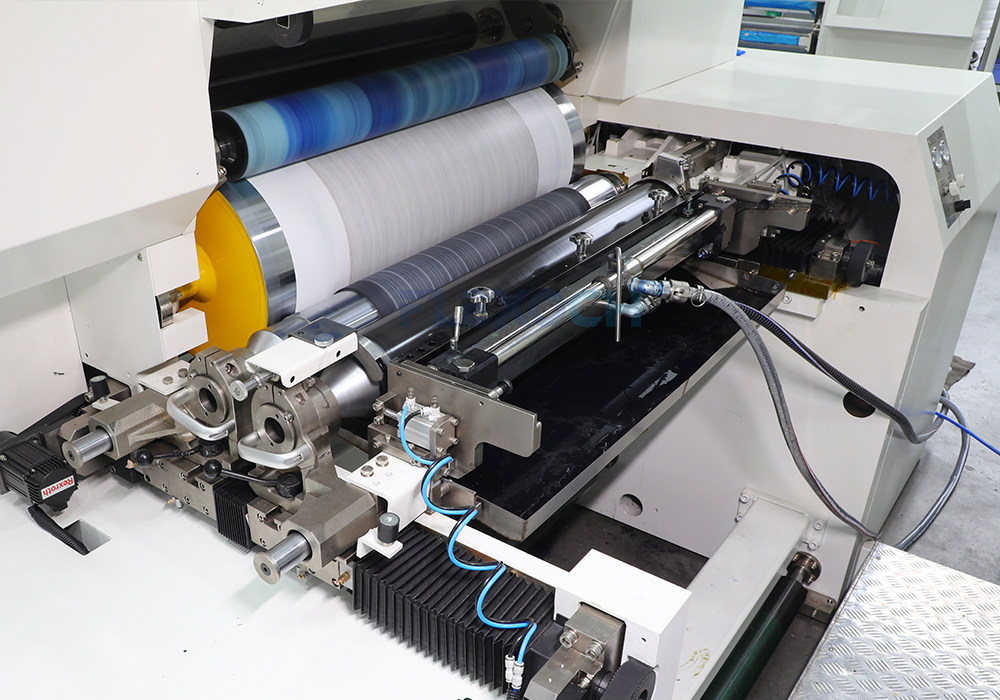
Maintenance Requirements:A machine with reliable components and accessible maintenance points can reduce downtime.
Energy Efficiency:Modern drying systems, servo drives, and optimized control systems can help improve energy utilization.
Spare Parts Availability:Reliable technical support and spare parts supply are important for maintaining continuous production.
Operator Training:A user-friendly control system can reduce the learning curve and improve production efficiency.

Why FLEXOCH Central Impression Flexo Solutions?
Choosing the right printing equipment requires a balance between production requirements, technology features, and future business goals.
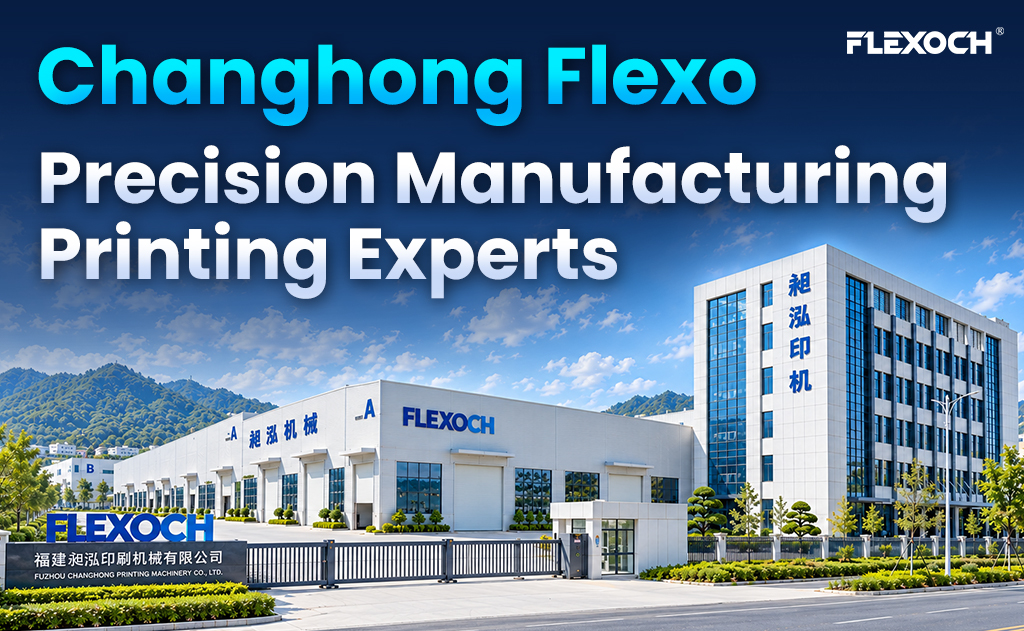
FLEXOCH provides advanced flexographic printing solutions designed for modern flexible packaging manufacturers. With technologies including full servo drive systems, automatic register control, closed-loop tension control, sleeve technology, and efficient drying solutions, FLEXOCH equipment is developed to support high-quality and stable production.

FLEXOCH’s printing solutions are suitable for a wide range of applications, including:
- Food packaging
- Beverage packaging
- Household product packaging
- Personal care packaging
- Industrial packaging
- Flexible film printing
By combining precision engineering with production-focused design, FLEXOCH helps manufacturers improve printing consistency, production efficiency, and overall equipment performance.
Questions to Ask Before Buying a Central Impression Flexo Press
Before making a final investment decision, manufacturers should evaluate several key questions:
What materials will the machine print?
Ensure the equipment matches your current and future substrate requirements.
How many colors are required?
Select a configuration that meets your packaging design needs.
What level of automation is suitable?
Consider whether features such as automatic register control, servo drive systems, and viscosity control can improve production.
What is the expected production volume?
Choose equipment that can support your required output while maintaining print quality.
What technical support is available?
Reliable after-sales service and spare parts support are essential for long-term operation.
Conclusion
Selecting the right central impression flexo press is an important decision for packaging manufacturers seeking higher quality, efficiency, and production flexibility.
The ideal equipment should match your substrate requirements, printing specifications, production volume, and automation expectations. Factors such as printing accuracy, web tension control, servo technology, maintenance requirements, and long-term operating costs should all be carefully considered.
With advanced technology and customer-focused engineering, FLEXOCH continues to provide reliable flexographic printing solutions for manufacturers worldwide.
By choosing the right printing system today, packaging companies can build a stronger foundation for efficient production and future growth.