







Understanding the Total Cost of Ownership of a CI Flexo Printing Machine
For flexible packaging manufacturers, investing in printing equipment is a major business decision that directly affects production capacity, product quality, operating expenses, and long-term competitiveness.
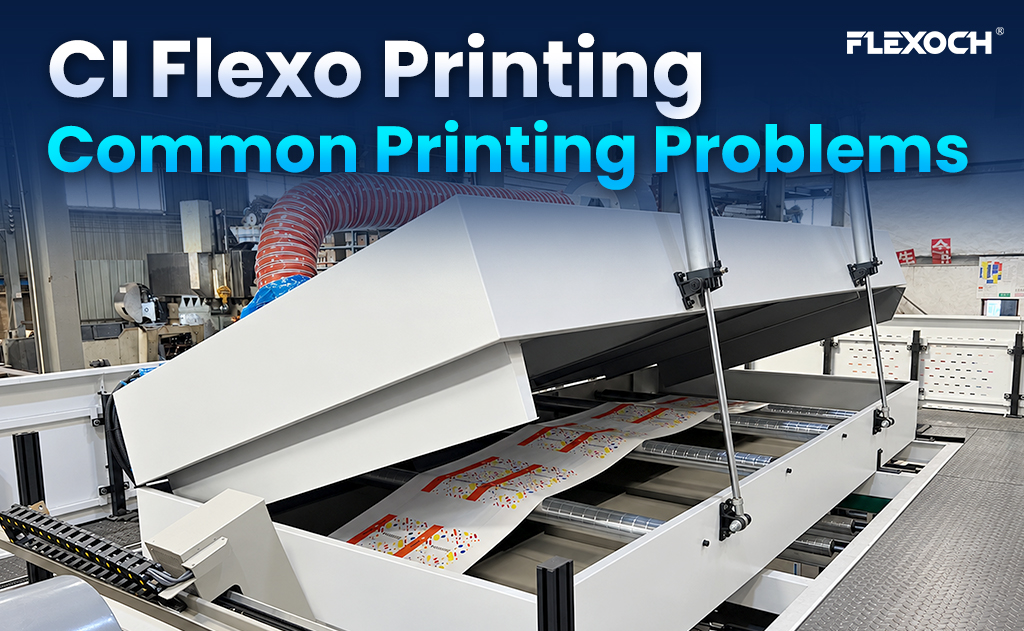
When companies evaluate a new CI Flexo Printing Machine, the initial purchase price is often one of the first considerations. However, the real value of a printing system is not determined only by the equipment cost. Factors such as production efficiency, material waste, energy consumption, maintenance requirements, and machine reliability all contribute to the total cost of ownership.
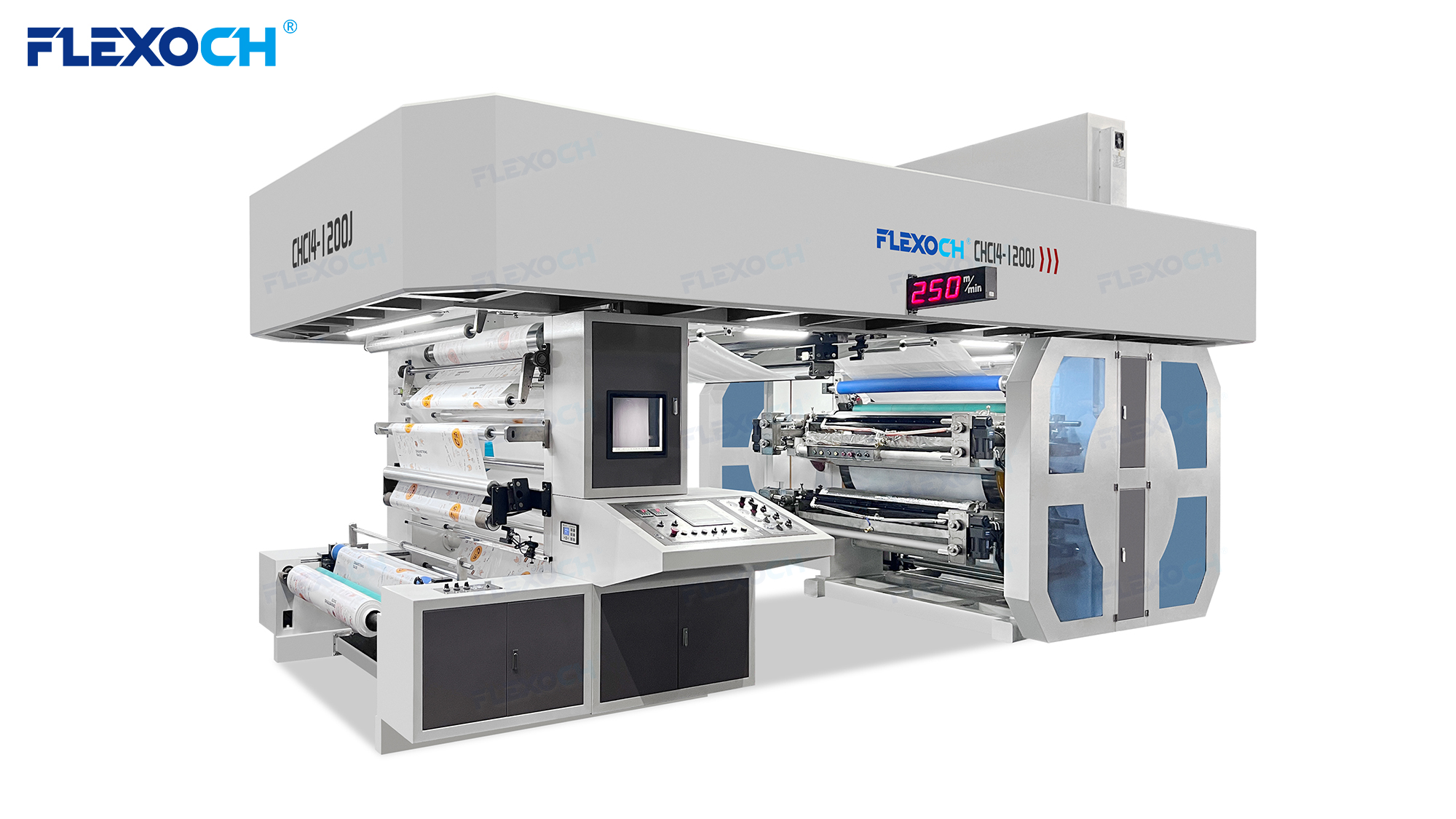
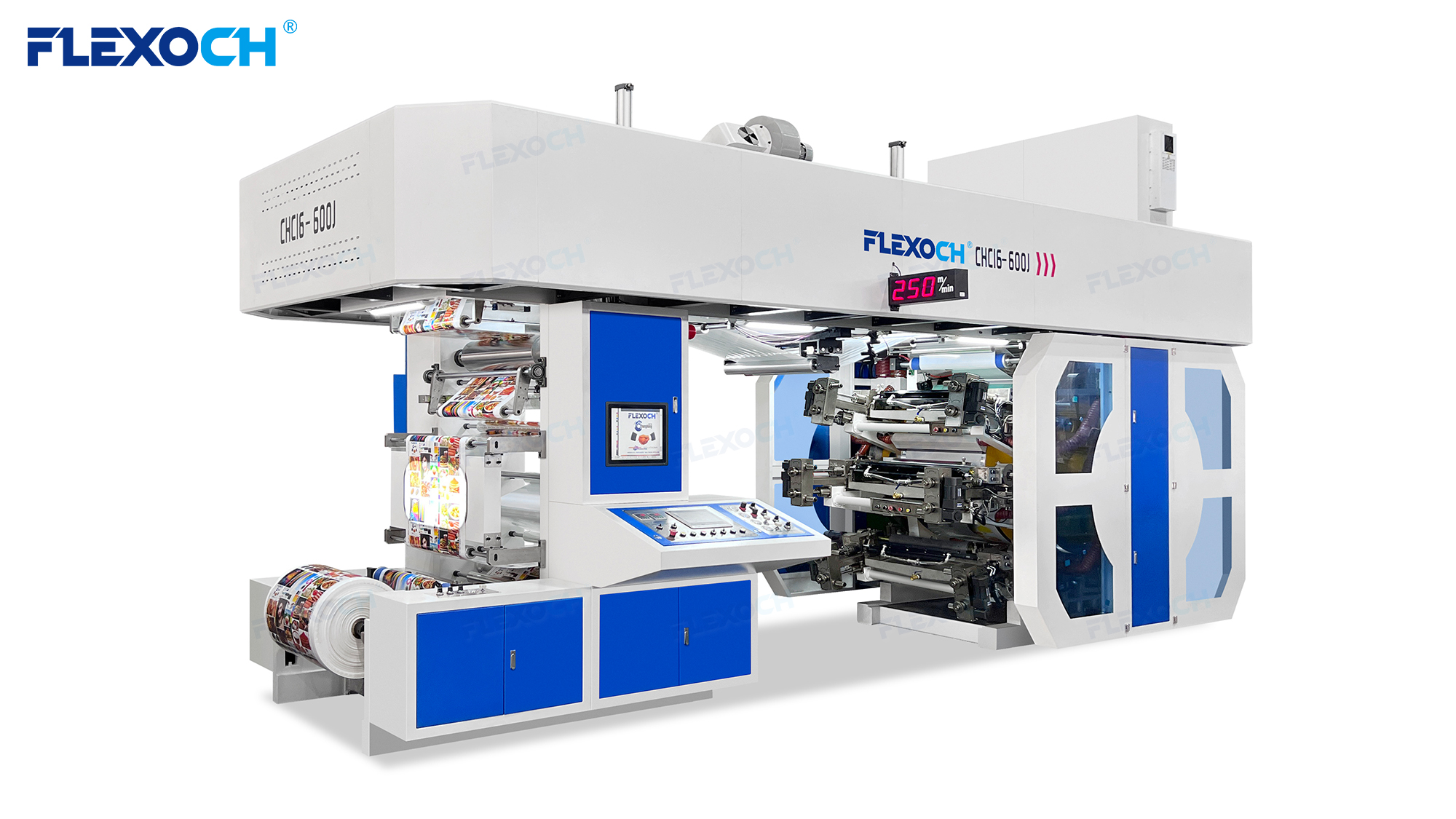
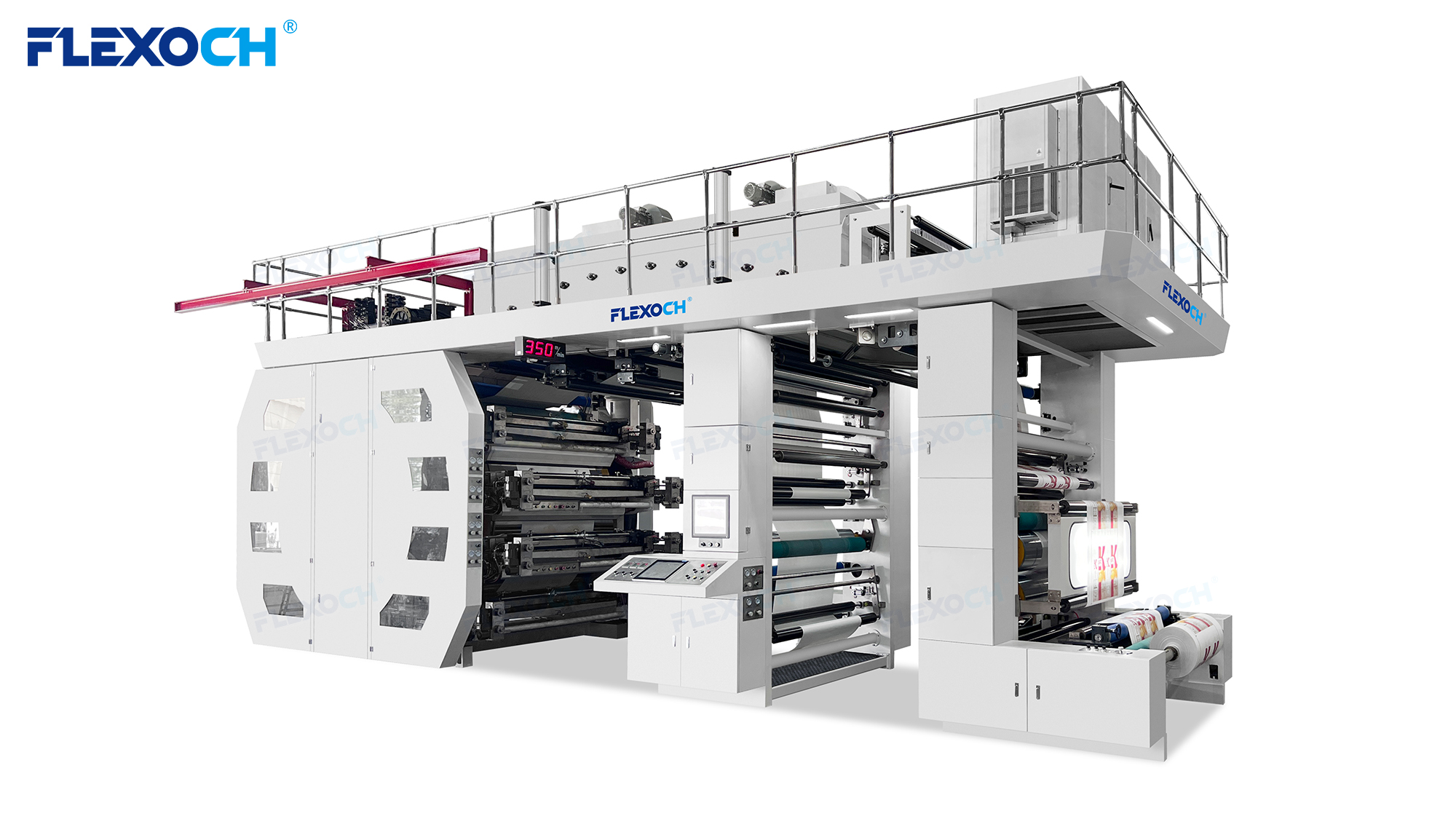
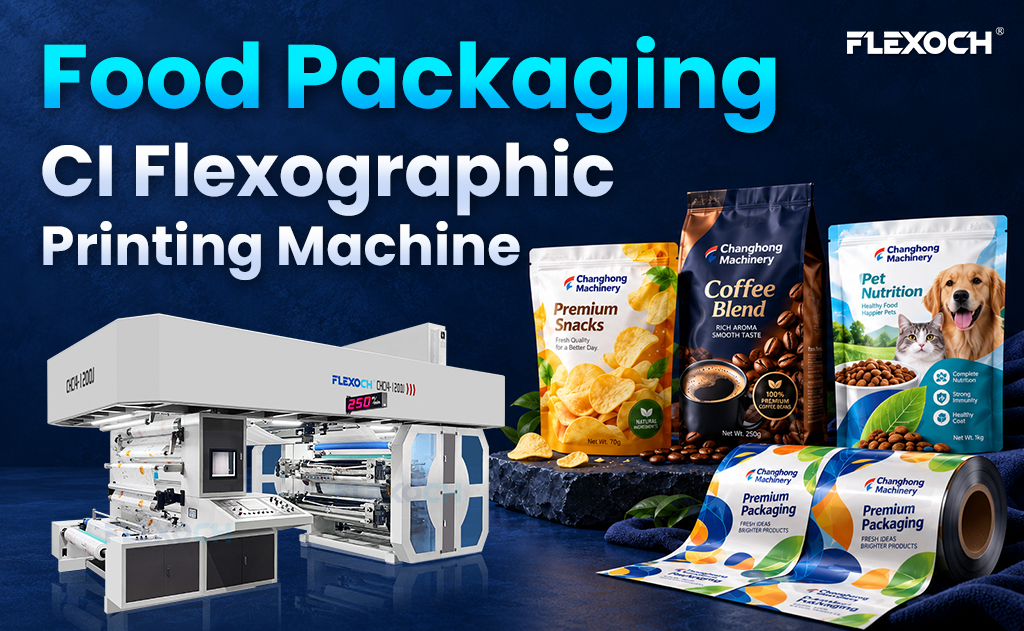
A well-designed CI Flexo Printing Press can help manufacturers achieve higher productivity, more stable print quality, and lower operating costs throughout the machine’s service life.
Table of Contents
ToggleWhy Machine Price Is Not the Only Investment Factor
When purchasing a printing machine, some manufacturers focus mainly on the initial equipment price. While the purchase cost is important, it represents only one part of the overall investment.
A complete evaluation should include:
- Initial equipment investment
- Installation and commissioning costs
- Operator training
- Energy consumption
- Maintenance expenses
- Spare parts requirements
- Production efficiency
- Material waste reduction
- Expected machine lifespan
A lower-priced machine may appear attractive at the beginning, but higher downtime, frequent adjustments, greater material waste, or lower production stability can increase the actual operating cost over time.

For this reason, professional packaging manufacturers often evaluate the total return generated by a CI Flexo Machine rather than comparing equipment prices alone.
Understanding CI Flexo Printing Machine Cost
The cost of a CI Flexo Printing Machine depends on multiple technical and production factors. Different configurations are designed for different applications, materials, and output requirements.
Printing Width
The printing width directly influences machine structure and production capability.
Wider machines allow manufacturers to produce larger packaging formats and improve output efficiency for certain applications. However, wider configurations also require more advanced web handling, tension control, and mechanical design.
Manufacturers should select the appropriate printing width based on their current products and future expansion plans.
Number of Printing Colors
The number of colors is another important factor affecting investment.
Flexible packaging products often require:
- Brand colors
- Product images
- Decorative graphics
- Fine text
- High-quality visual effects
A CI Flexographic Press can be configured with different color stations depending on customer requirements.
Common configurations include:
- 4-color printing
- 6-color printing
- 8-color printing
- 10-color printing
Choosing the correct number of colors helps avoid unnecessary investment while ensuring the machine can meet future production requirements.

Automation Level and Technology Configuration
Modern printing equipment includes various automation technologies that can influence the investment cost but also improve long-term efficiency.
Important features include:
Automatic Register Control
Color registration accuracy is essential for high-quality flexible packaging.
Automatic register systems reduce manual adjustment requirements and help maintain consistent print quality during long production runs.
Servo Drive Technology
Traditional mechanical transmission systems may require more adjustment and maintenance over time.
A servo-driven Flexo CI Printing Machine provides independent control of printing units, improving synchronization accuracy and production stability.
Sleeve Technology
Sleeve systems can reduce preparation time during plate and anilox changes.
For manufacturers producing multiple packaging designs, faster job changeover can significantly improve machine utilization.


How CI Flexo Printing Efficiency Reduces Production Costs
The long-term value of a printing machine depends heavily on production efficiency.
A high-performance CI Flexo Printer helps manufacturers improve productivity through several key areas.
Reducing Material Waste
Material waste is one of the most important cost factors in flexible packaging production.
Waste can occur during:
- Machine startup
- Color adjustment
- Registration correction
- Job changeover
- Production interruptions
Advanced control systems help reduce adjustment time and minimize wasted film.
Lower waste directly contributes to reduced flexible packaging production cost.
Improving Job Changeover Speed
Flexible packaging manufacturers often produce multiple products with different designs, colors, and materials.
Long setup times can reduce machine utilization.
Features such as:
- Sleeve technology
- Automatic register control
- Preset printing parameters
- Efficient ink management
can help shorten changeover time and improve overall production efficiency.
Maintaining Stable High-Speed Production
Production speed alone does not determine efficiency. A machine must maintain consistent print quality while operating at high speeds.
A reliable CI Flexo Press combines:
- Stable web transport
- Accurate tension control
- Precise printing pressure
- Efficient drying performance
to achieve continuous production with fewer interruptions.

Tension control
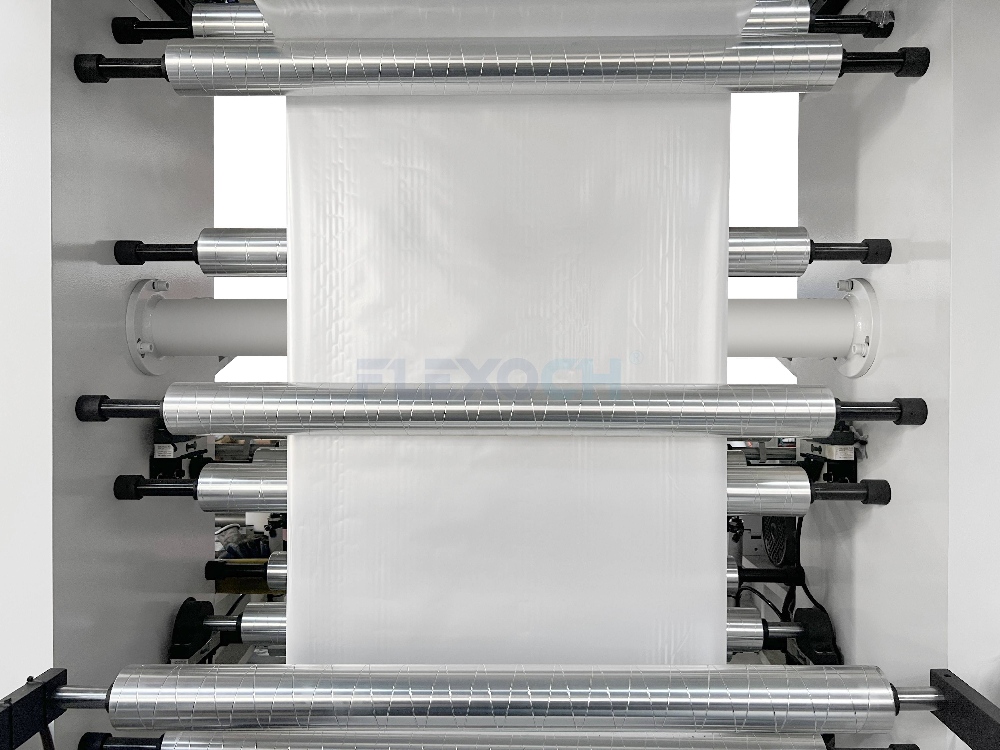
Guide roller
The Relationship Between Flexographic Printing Machine Investment and ROI
A successful flexographic printing machine investment should generate long-term value by improving production capability and reducing operational expenses.
Manufacturers should consider several ROI factors.
Higher Production Output
A more efficient machine can increase production capacity without requiring additional production lines.
Higher output allows manufacturers to:
- Accept more orders
- Improve delivery speed
- Increase market competitiveness
Lower Labor Requirements
Modern automation reduces the need for constant manual adjustments.
Functions such as automatic registration and digital control systems allow operators to manage production more efficiently.
This does not replace skilled operators but helps them focus on quality control and production optimization.
Reduced Downtime
Unexpected downtime can significantly affect production schedules.
Reliable mechanical design, advanced control systems, and proper maintenance planning help improve machine availability.
A stable CI Flexographic Press allows manufacturers to maintain consistent production and reduce losses caused by interruptions.
Operating Costs to Consider After Purchasing a CI Flexo Machine
The purchase decision should include long-term operating expenses.
Energy Consumption
Drying systems, motors, and auxiliary equipment all influence energy costs.
Modern equipment designs focus on efficient operation while maintaining required printing performance.
Maintenance Requirements
Regular maintenance is necessary to protect printing quality and machine performance.
Important maintenance areas include:
- Printing cylinders
- Anilox rollers
- Doctor blade systems
- Web guiding components
- Drying systems
- Tension control systems
A machine designed for easy maintenance can reduce downtime and improve production reliability.

Spare Parts and Technical Support
Reliable technical support is an important part of long-term ownership.
Manufacturers should consider:
- Spare parts availability
- Remote technical assistance
- Training support
- Service response capability
These factors can influence the actual operating cost throughout the machine lifecycle.
How to Evaluate the Right CI Flexo Printing Machine Investment
Before selecting a machine, packaging manufacturers should analyze their production requirements carefully.
Key questions include:
What materials will be printed?
Different substrates such as PE, BOPP, PET, CPP, and laminated films may require different configurations.
What production volume is expected?
High-volume producers may benefit from higher automation and faster production capability.
What print quality level is required?
Premium packaging applications often require advanced registration control and stable printing performance.
What products will be produced in the future?
A machine should support future business growth rather than only current orders.
Choosing the correct CI Flexo Printer configuration helps manufacturers maximize the value of their investment.
FLEXOCH: Creating Value Beyond Machine Performance
At FLEXOCH, we understand that packaging manufacturers need more than a printing machine. They need a reliable production solution that supports efficiency, quality, and long-term growth.
FLEXOCH provides advanced CI Flexo Printing Machine solutions designed for flexible packaging applications. With technologies including servo drive systems, automatic register control, closed-loop tension control, sleeve technology, and efficient drying systems, FLEXOCH equipment helps manufacturers achieve stable and efficient production.
FLEXOCH solutions are suitable for:
- Food packaging
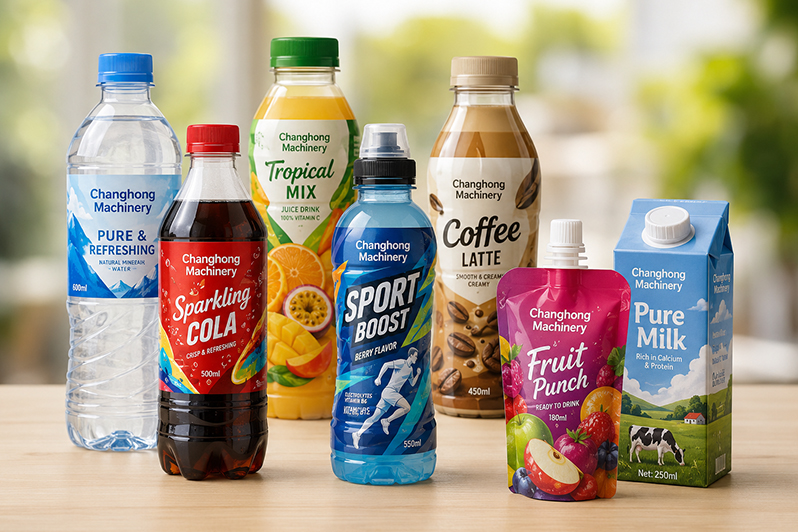
- Beverage packaging
- Consumer goods packaging
- Industrial flexible packaging
- Plastic film printing
By combining advanced technology with practical production experience, FLEXOCH helps customers improve flexo printing efficiency, reduce production waste, and achieve better long-term value from their printing equipment investment.



Conclusion
The true value of a CI Flexo Printing Machine is determined by more than the initial purchase price. Production efficiency, material savings, maintenance costs, automation level, and machine reliability all influence the total return on investment.
For flexible packaging manufacturers, selecting the right CI Flexo Printing Press means building a more efficient, stable, and competitive production system.
By evaluating both current requirements and future development goals, companies can make smarter equipment decisions and maximize the benefits of their CI Flexo Machine investment.
With advanced technology and customer-focused solutions, FLEXOCH continues to support packaging manufacturers worldwide in achieving higher productivity, improved print quality, and sustainable production efficiency.