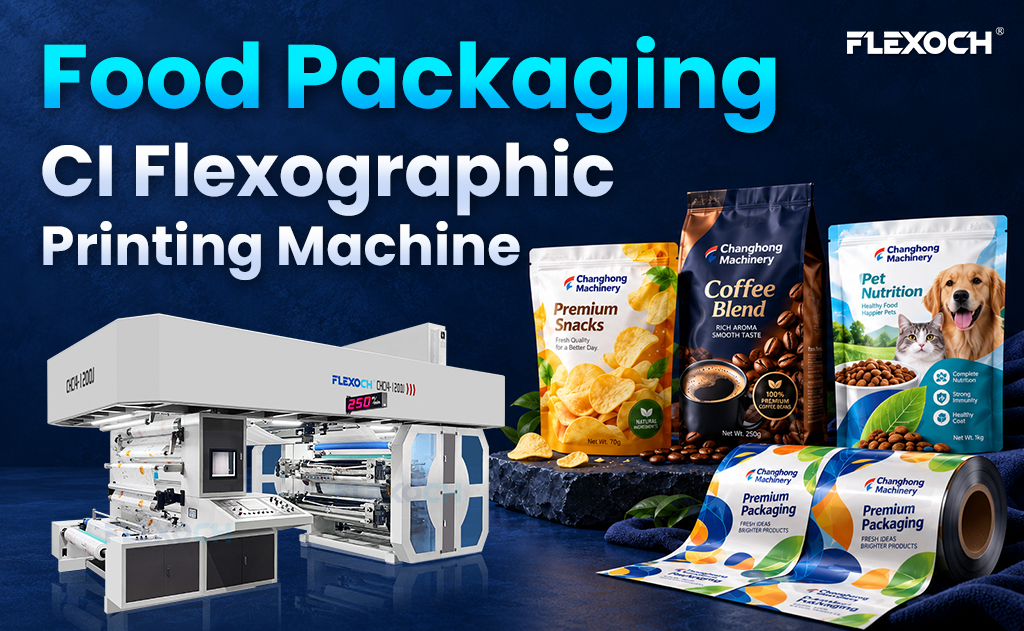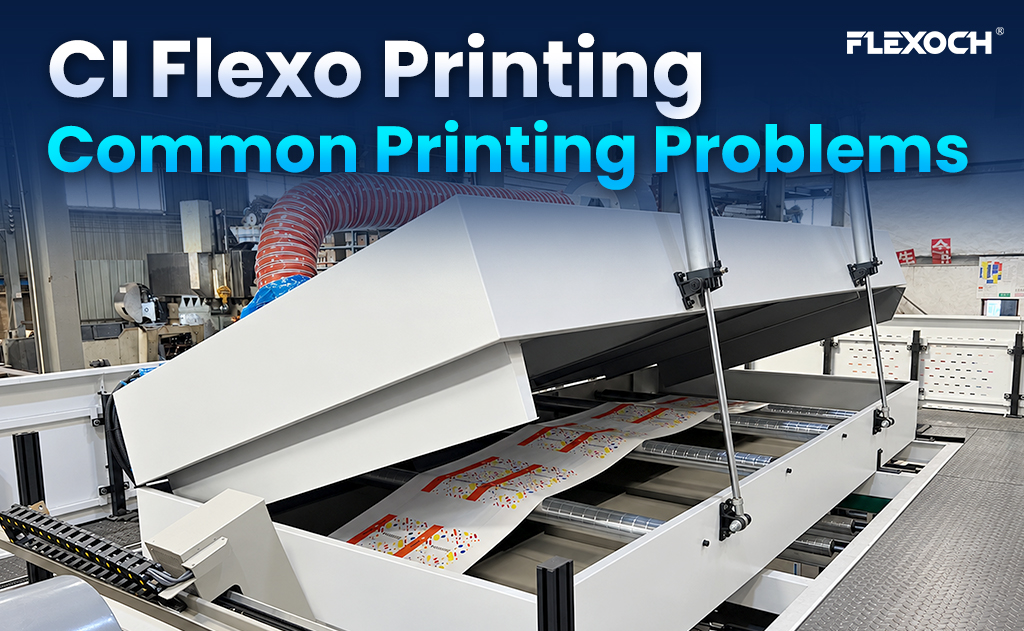








Gearless CI Flexo Printing Machine: Improving Precision, Productivity and Production Control
The development of flexographic printing technology has moved far beyond simply increasing press speed. For modern packaging converters, printing equipment must deliver consistent quality while also handling shorter production runs, frequent artwork changes, different substrates, and increasingly demanding color requirements.
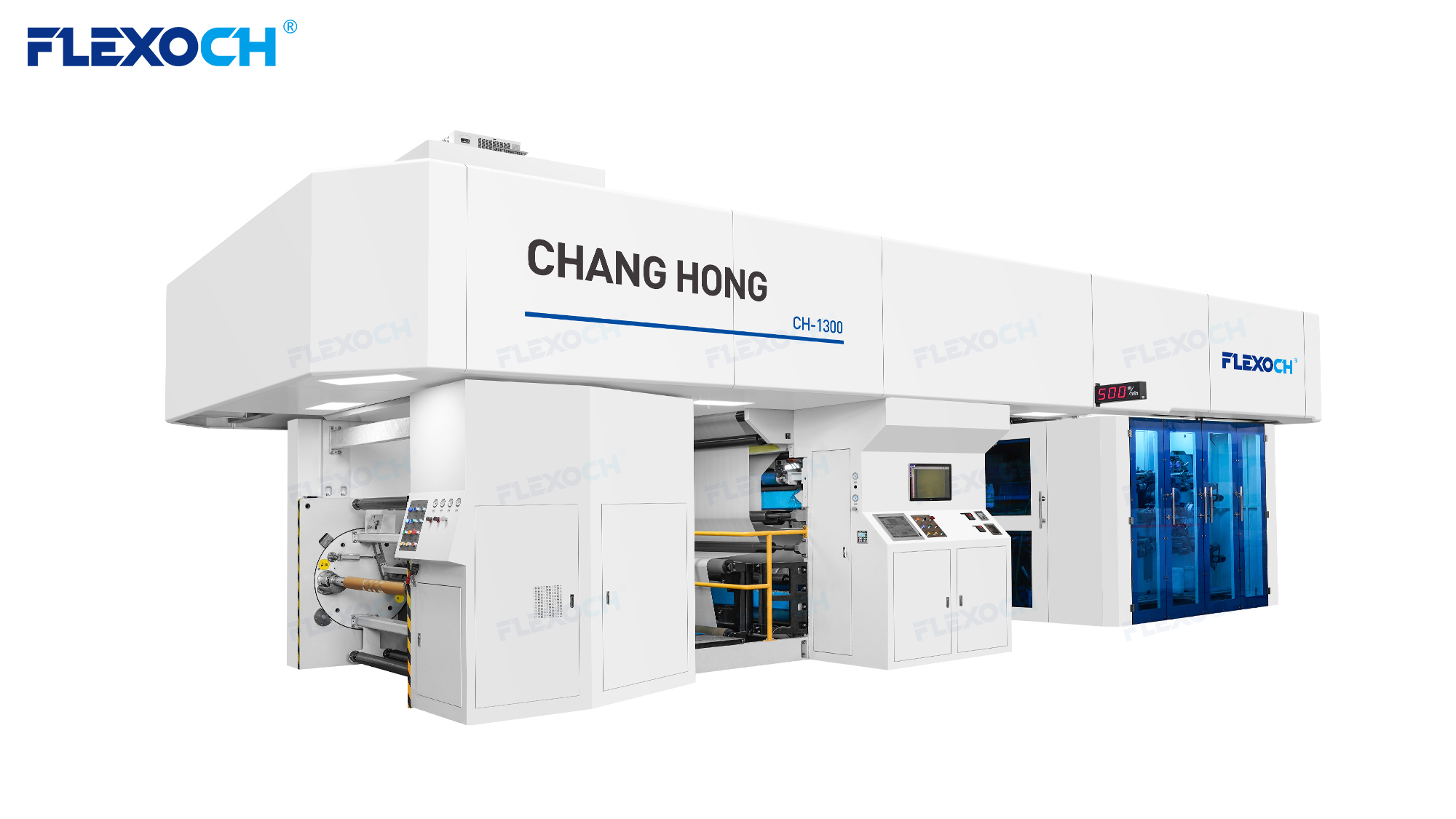
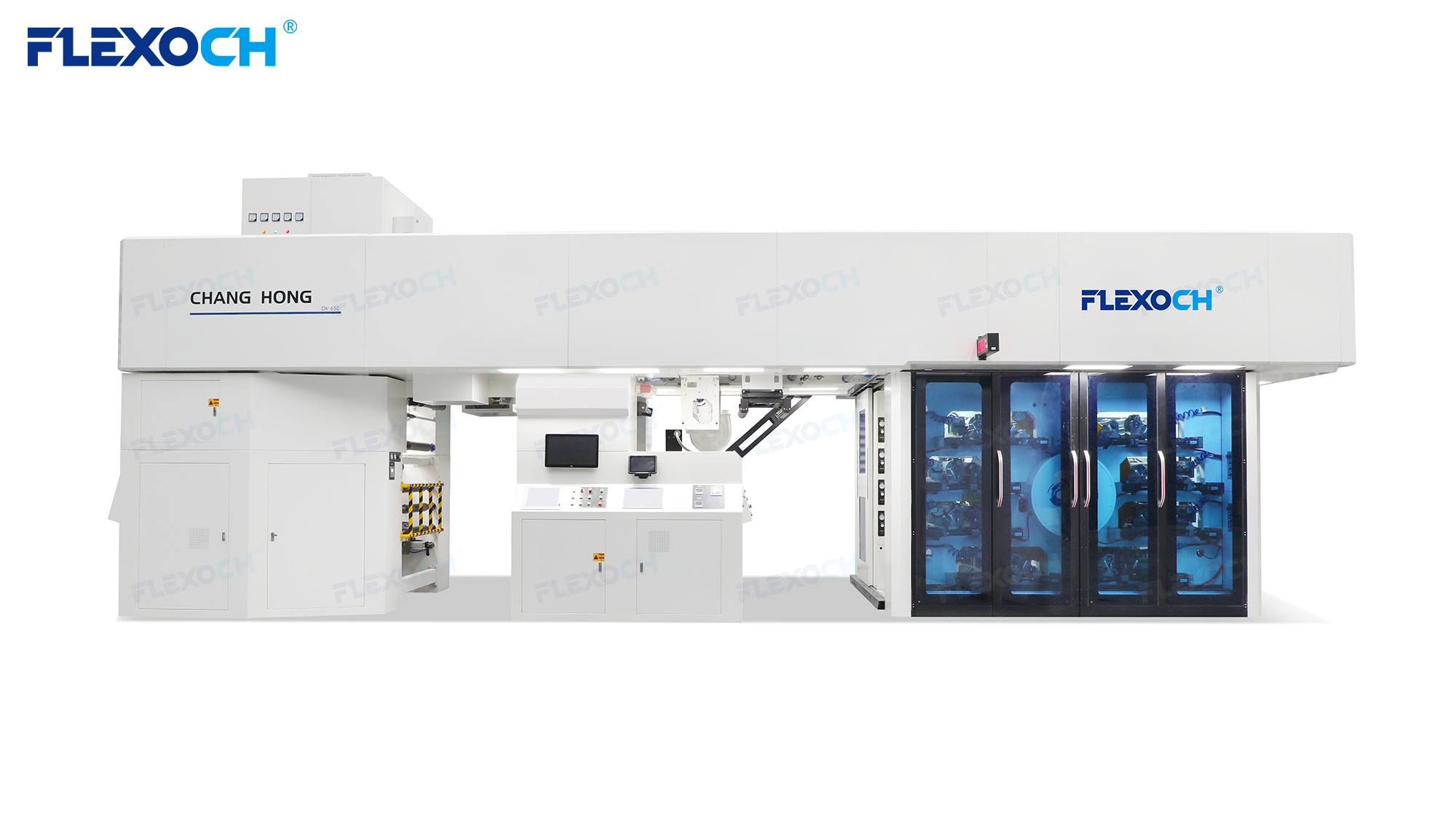
This is one reason the Gearless CI Flexo Printing Machine has attracted growing attention in flexible packaging production. By replacing traditional mechanical gear transmission with independent servo-driven printing units, a gearless configuration provides greater control over the printing process and offers manufacturers more flexibility when managing different production conditions.
For companies evaluating new printing equipment, the technology is not only about print quality. Production efficiency, setup time, operational flexibility, maintenance requirements, and the overall Gearless CI Flexo Machine Price are also important considerations.
With its experience in flexographic printing equipment, FLEXOCH focuses on developing CI printing solutions that combine modern drive technology with practical production requirements.
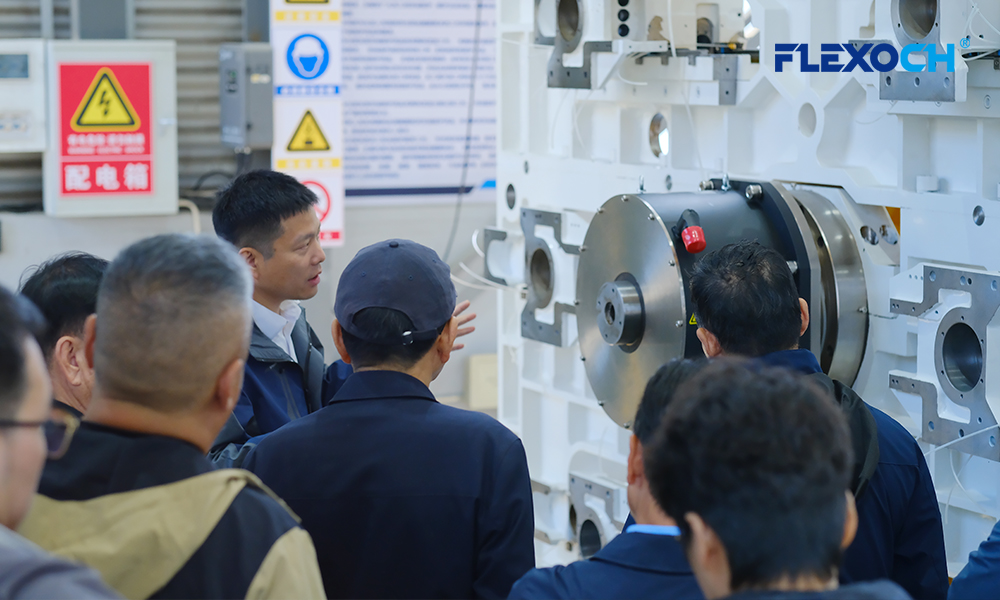
Table of Contents
ToggleWhat Makes a Gearless CI Flexo Printing Machine Different?
Traditional flexographic presses may use mechanical gears to connect the printing cylinders and coordinate their rotation. While this system has been widely used for many years, mechanical transmission can introduce limitations when converters require greater flexibility and more precise electronic control.
A Gearless CI Flexo Printing Machine uses individual servo motors to drive the printing units. Instead of relying on a fixed gear train, each printing station can be electronically controlled.
This architecture changes the way the press is operated.
The speed and position of individual printing units can be adjusted through the control system. Cylinder positioning, registration correction, acceleration, and production parameters can therefore be managed electronically.
The result is a printing platform that can adapt more easily to different jobs while maintaining coordinated operation between the printing units.
For flexible packaging converters, this is particularly useful when production involves multiple colors, different repeat lengths, changing designs, and frequent job changes.
Independent Servo Drive and Printing Control
One of the most important features of a Gearless Flexographic Printing Machine is its independent servo drive system.
Each printing unit can have its own servo motor and electronic control. The system can coordinate the rotational speed of the printing cylinders with the central impression cylinder and the rest of the press.
This provides several practical advantages.
First, the operator has greater control over cylinder movement. Second, printing parameters can be adjusted electronically rather than relying on mechanical gear changes. Third, repeat settings can be stored and recalled for future production.
These functions can make production preparation more efficient.
For example, when a packaging converter needs to reproduce a previous order, stored production parameters can provide a useful starting point. Instead of setting every mechanical parameter from the beginning, operators can use the previous job data and make adjustments according to the current substrate, ink, plate, and production conditions.
This can reduce setup complexity and improve repeatability.
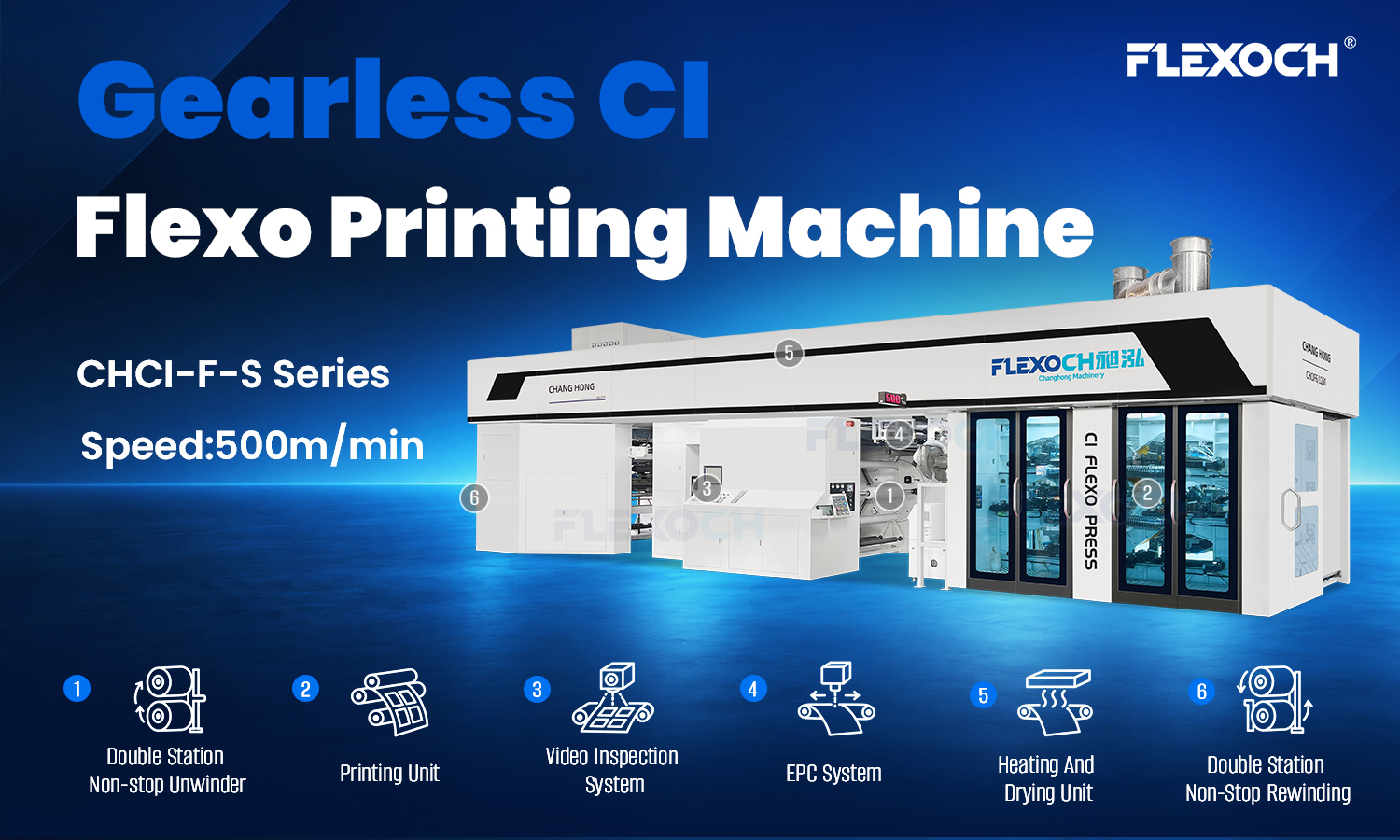
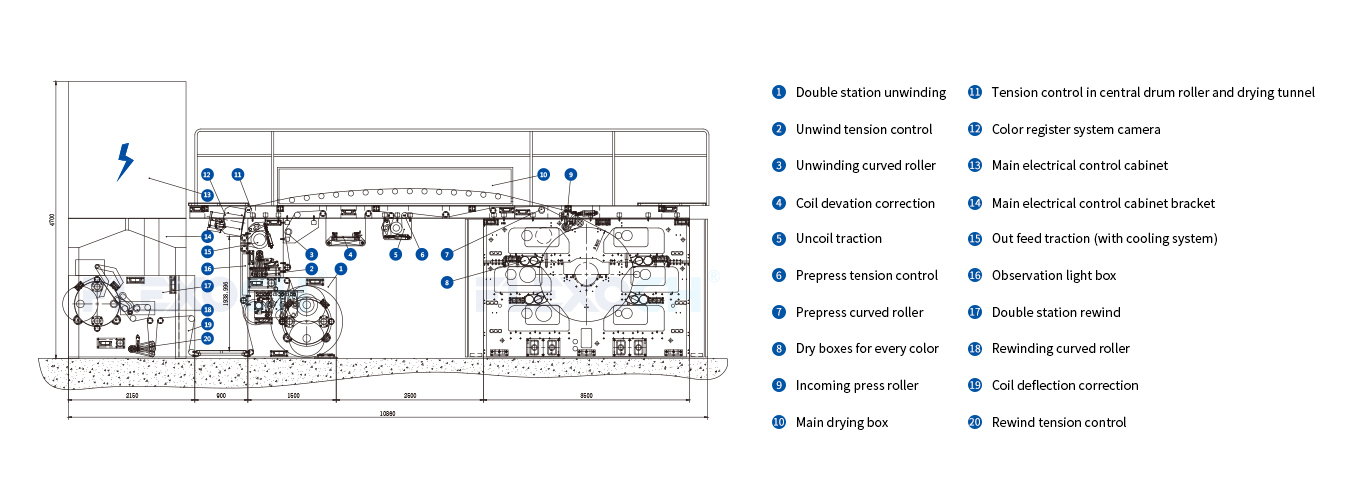
Material Feeding Diagram
Why Gearless Technology Matters for Flexible Packaging
Flexible packaging often requires a combination of visual quality and production flexibility. Products such as food packaging films, shopping bags, household packaging, and industrial bags may use different film structures, thicknesses, printing widths, and artwork designs.
A printing press therefore needs to perform consistently under changing production conditions.
The gearless structure helps address this requirement through electronic control.
When the press needs to change speed, adjust registration, or accommodate another printing repeat, the control system can make the necessary corrections without depending on mechanical gear combinations.
This can be especially valuable for converters producing a wide range of packaging products.
Instead of designing production around the limitations of a fixed mechanical transmission system, manufacturers can use electronic control to make the press more adaptable.
Better Registration Management
Registration accuracy is a critical factor in multi-color flexographic printing.
A small deviation between colors can become visible in text, logos, fine graphics, and other detailed packaging elements. As printing speed increases, maintaining stable registration becomes even more important.
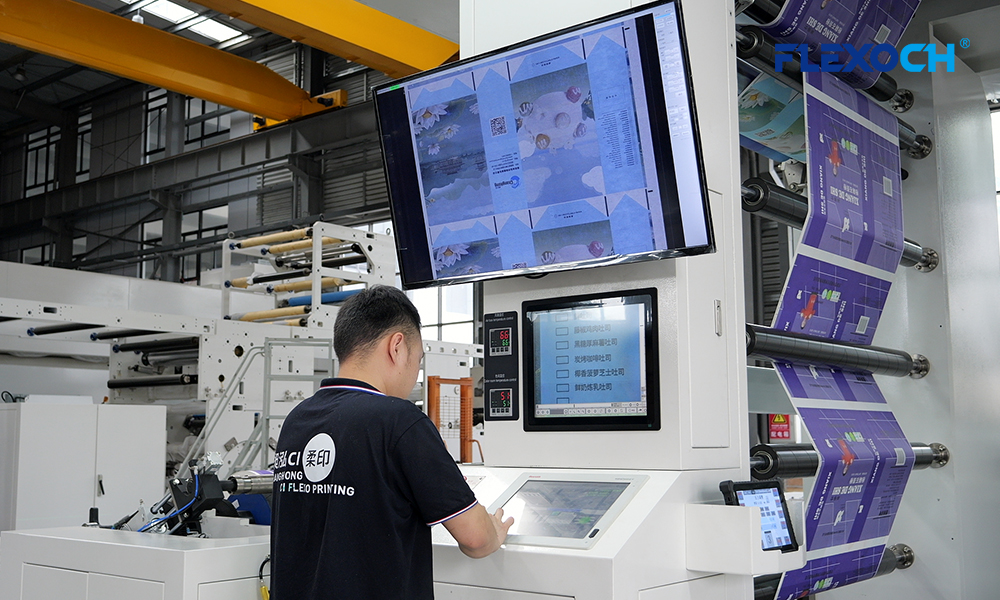
A Gearless CI Flexo Printing Press can combine servo drive technology with automatic registration systems to maintain alignment between printing units.
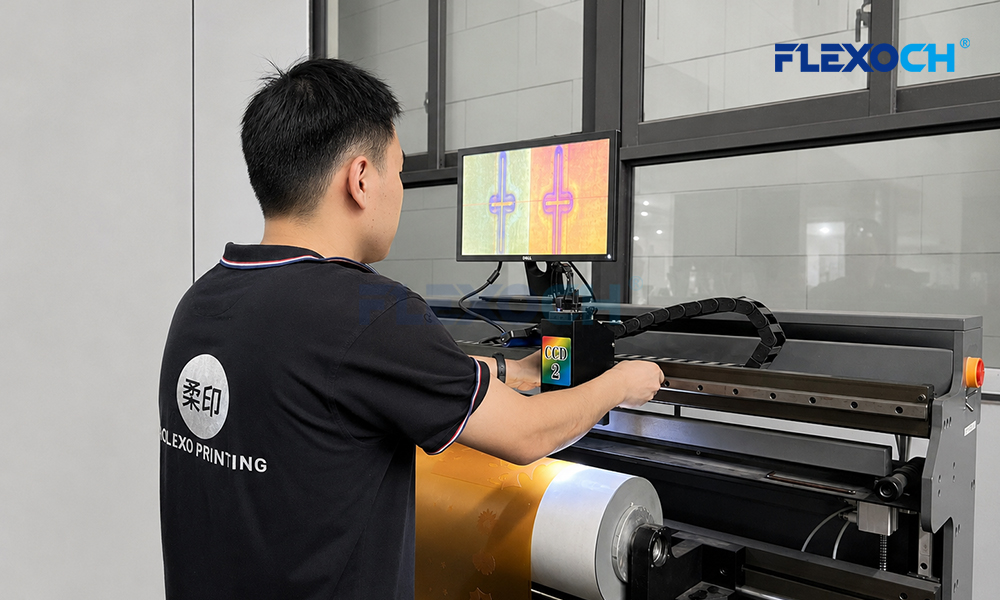
Registration sensors monitor printed marks and provide feedback to the control system. If a deviation is detected, the corresponding printing unit can be adjusted electronically.
This creates a continuous correction process during production.
The advantage is not simply that the machine can achieve accurate registration at startup. More importantly, it can respond to changes that occur during a long production run.
Temperature, substrate behavior, web tension, ink conditions, and operating speed can all influence printing performance. Electronic registration control gives the press a way to compensate for these changes.
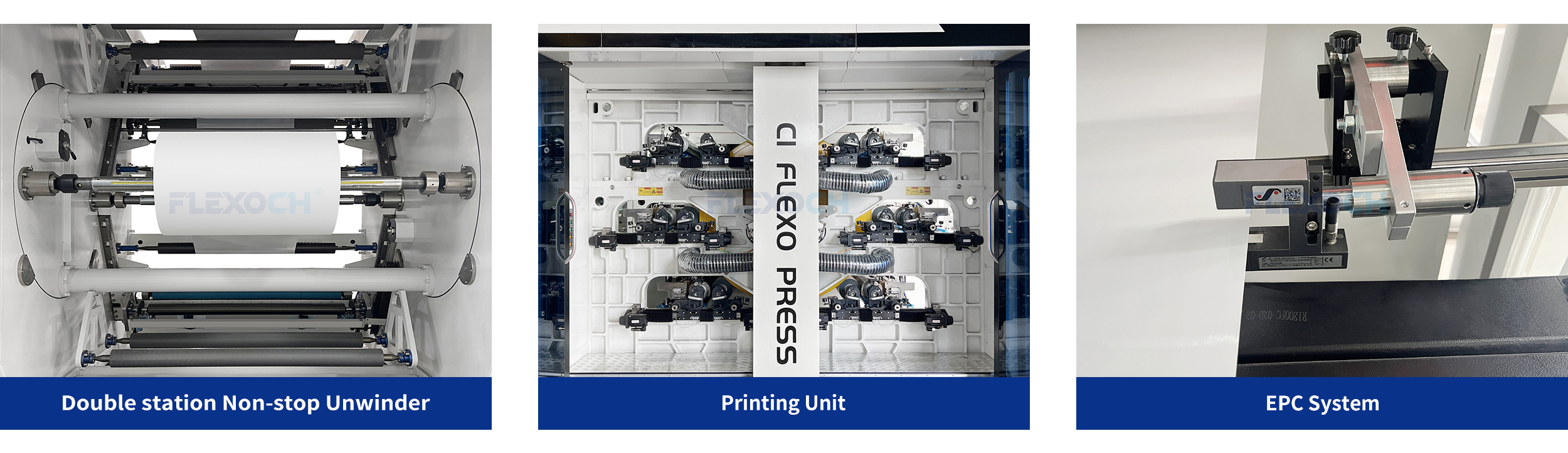
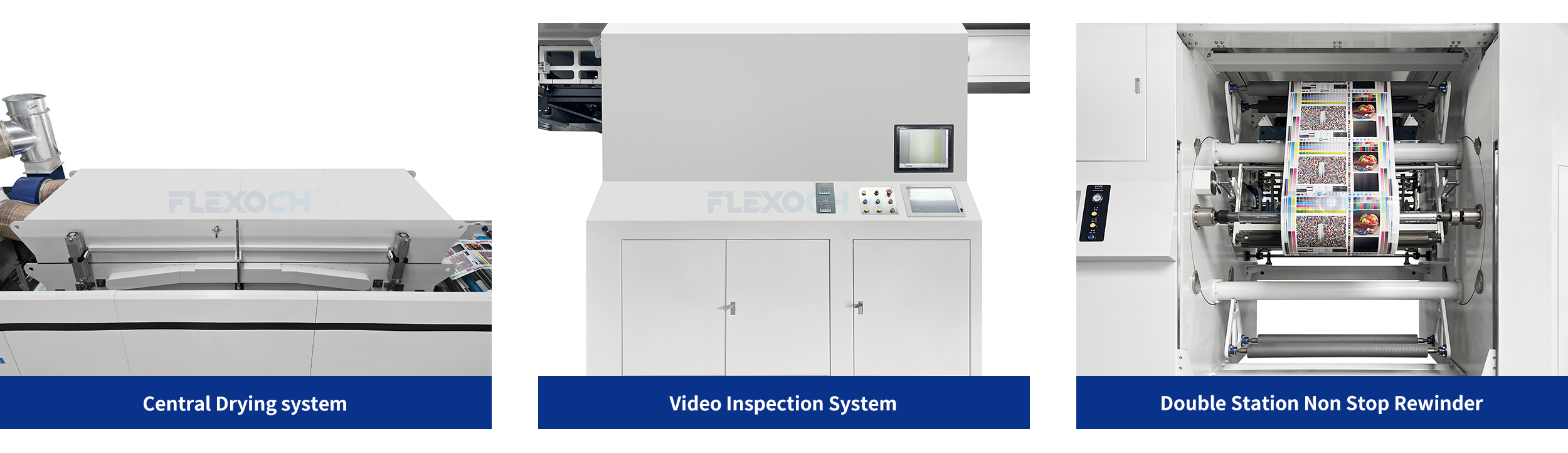
Detail Image
Faster Job Preparation and Changeovers
Packaging converters are increasingly required to manage shorter runs and more product variations.
A press that spends too much time preparing between jobs can reduce overall production efficiency, even if its maximum printing speed is high.
Gearless technology can contribute to faster preparation because many production parameters can be controlled electronically.
Repeat length, cylinder position, printing speed, registration parameters, and other settings can be managed through the machine interface.
For repeat orders, stored parameters can further simplify the setup process.
The practical benefit is a more efficient transition from one job to another.
This is particularly relevant for converters serving customers with multiple packaging designs. When production involves many SKUs, reducing setup time can have a significant effect on the total output of the factory.
Reduced Dependence on Mechanical Gears
Mechanical gears are important transmission components, but they also require appropriate maintenance and accurate mechanical coordination.
A gearless press removes the need for the traditional gear train between printing units. This changes the maintenance structure of the machine.
There are fewer mechanical transmission components involved in coordinating printing cylinder rotation. Instead, synchronization is achieved through servo motors, drives, sensors, and software.
This does not mean that maintenance disappears. Servo systems, bearings, cylinders, anilox rollers, pumps, ink systems, sensors, and other components still require regular inspection.
However, maintenance priorities are different.
The focus moves toward electronic control, servo performance, sensor accuracy, lubrication of mechanical components that remain, and proper operating procedures.
For modern factories with technicians familiar with automated equipment, this type of architecture can provide a more convenient long-term operating model.
Energy and Production Efficiency
Production efficiency should not be measured only by maximum machine speed.
A printing press may have a high rated speed, but if operators require significant time for setup, registration adjustment, cleaning, or troubleshooting, actual output can be much lower.
Gearless technology can contribute to efficiency through several aspects.
Electronic drive control allows precise speed management. Automatic registration reduces manual correction. Digital parameter storage can simplify repeat jobs. Independent servo systems provide accurate synchronization between printing units.
Together, these functions can help reduce non-productive time.
Another important factor is startup waste.
During a new job, operators normally need to stabilize ink, registration, tension, and printing conditions before reaching the required quality. Faster stabilization can reduce the amount of substrate consumed during preparation.
For high-volume packaging production, even a small reduction in startup waste can become meaningful over hundreds of jobs.
Understanding Gearless CI Flexo Machine Price
When manufacturers search for Gearless CI Flexo Machine Price, it is important to look beyond the initial equipment quotation.
The price of a gearless CI press depends on many specifications and configuration choices.
These can include:
- Printing width
- Number of printing colors
- Maximum mechanical speed
- Servo drive configuration
- Automatic registration system
- Ink type and ink circulation system
- Drying configuration
- Unwinding and rewinding system
- Substrate compatibility
- Inspection and monitoring functions
- Automation level
- Customized production requirements
A four-color machine with a standard configuration will naturally have different pricing from a six- or eight-color press with advanced automation.
Therefore, comparing prices based only on the basic machine quotation may not provide a complete picture.
Converters should consider the relationship between machine configuration and their actual production requirements.
A machine with more advanced functions may have a higher initial investment but can provide additional capabilities that are valuable for specific production environments.
How to Evaluate the Total Investment
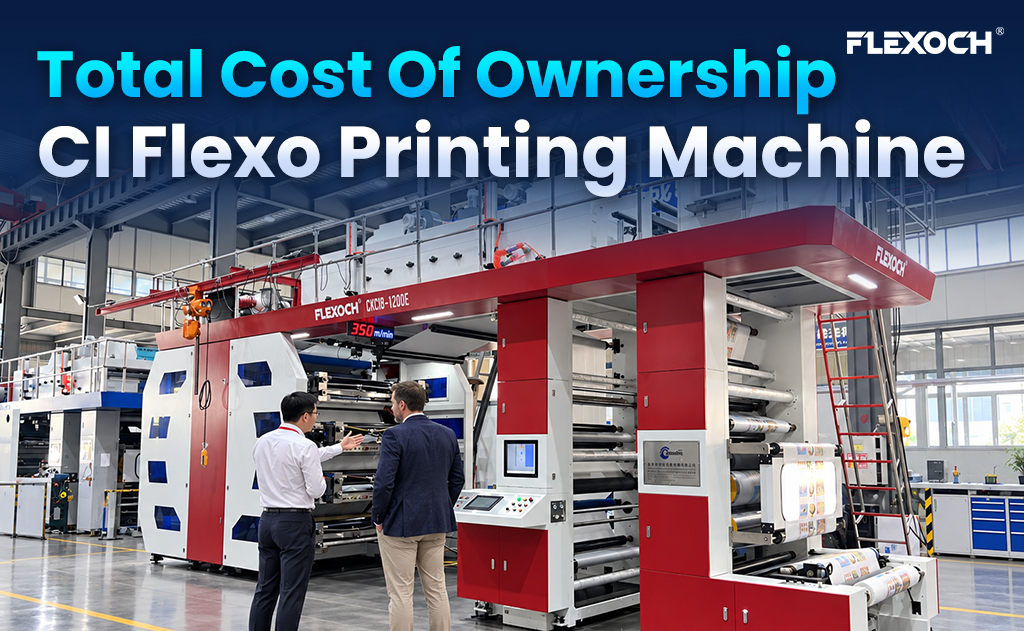
When evaluating the Gearless CI Flexo Machine Price, manufacturers should consider the total cost of ownership rather than focusing exclusively on purchase price.
Several questions are worth considering.
- How many jobs will the machine produce each month?
- How frequently will the press change jobs?
- What materials will be printed?
- How many colors are normally required?
- What level of automation is needed?
- How important are short setup times?
- What technical support is available after installation?
These factors can influence the real economic value of the equipment.
For a converter producing long, standardized runs, maximum speed and stable continuous operation may be major priorities.
For another manufacturer handling many short and medium-length orders, setup efficiency, registration automation, and flexible digital control may have greater importance.
The correct machine configuration should therefore be based on the production model rather than simply selecting the lowest initial price.
Video Introduction
Gearless Flexographic Printing Machine for Different Substrates
Modern gearless CI technology can be configured for a variety of flexible packaging materials.
Depending on machine design and ink system, applications can include PE film, BOPP, CPP, PET, paper-based flexible packaging, and other printable substrates.
Different materials have different characteristics.
Thin films can be sensitive to tension changes. Some substrates may require specific drying conditions, while others demand careful ink adhesion management.
The printing press therefore needs to provide coordinated control of web tension, printing pressure, speed, drying, and winding.
The gearless drive system is one part of this overall production environment. Its value becomes greater when it is integrated with appropriate tension control, drying technology, registration systems, and operator controls.
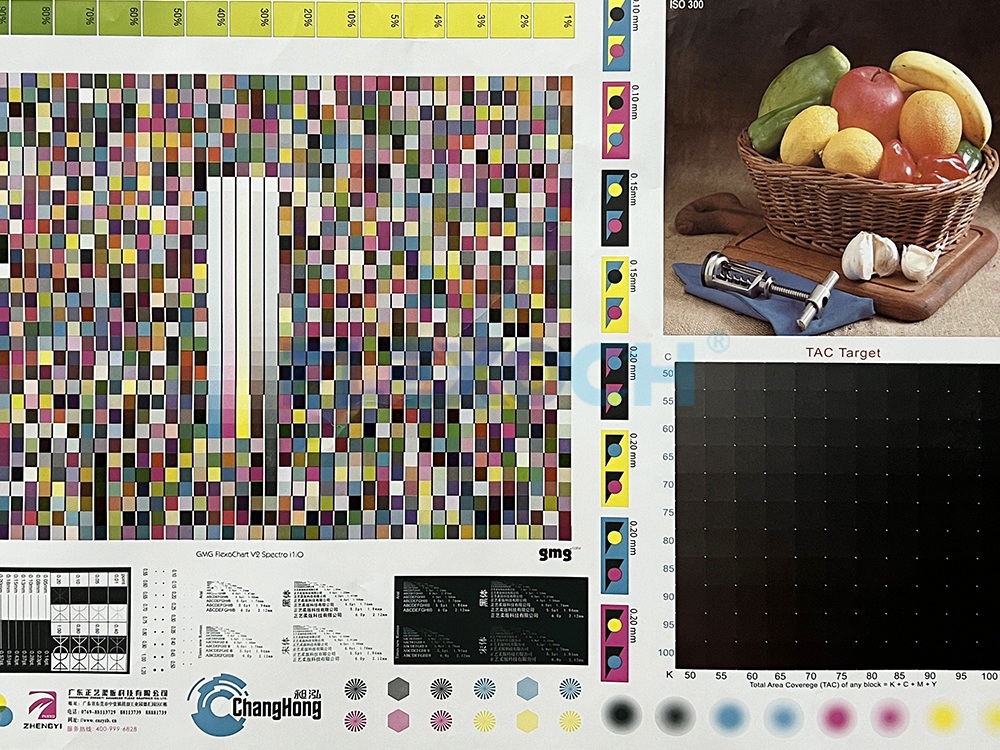
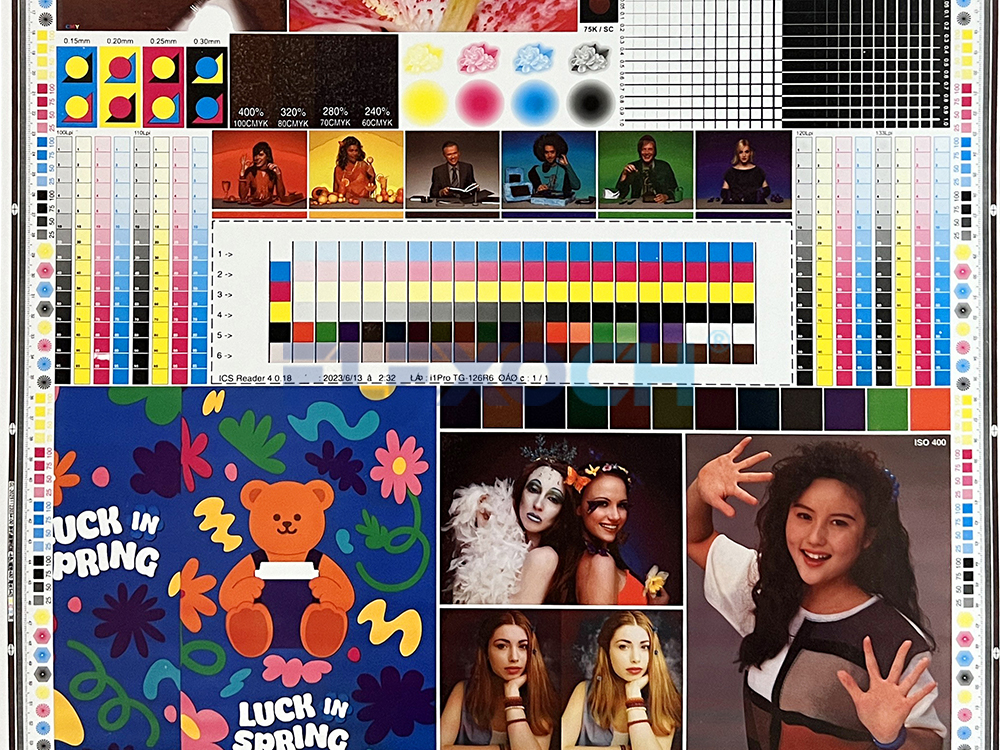
Printing Sample


Why FLEXOCH Focuses on Gearless CI Technology
For FLEXOCH, the development of gearless CI printing equipment is not simply about replacing mechanical gears with servo motors.
The goal is to create a coordinated printing platform in which mechanical design, electronic control, automation, and operator interaction work together.
A modern packaging press should be able to support stable production while remaining practical for daily operation.
FLEXOCH solutions can be configured according to factors such as printing width, number of colors, substrate requirements, production speed, and automation level.
This allows customers to select equipment based on their actual production needs rather than adopting a one-size-fits-all configuration.
For manufacturers considering a new Gearless CI Flexo Printing Press, technical configuration and after-sales support should be evaluated together with machine price.
The Future of Gearless Flexographic Printing
As packaging production becomes more diversified, electronic control will continue to play an important role in flexographic printing.
Future development is likely to focus on greater automation, improved data management, more accurate registration, production monitoring, and easier interaction between operators and machines.
Gearless architecture provides a strong foundation for these developments because printing units are already electronically controlled.
This makes it easier to integrate additional automation technologies as production requirements evolve.
For converters, the long-term value of a gearless press therefore comes from more than its printing speed. It lies in its ability to provide controlled, repeatable, and adaptable production.
Conclusion
The Gearless CI Flexo Printing Machine represents an important development in modern flexographic printing. By using independent servo drives instead of traditional mechanical gear transmission, the machine provides greater electronic control over printing units, registration, speed, and production parameters.
For flexible packaging manufacturers, this technology can support faster setup, more consistent registration, reduced dependence on mechanical transmission, and greater production flexibility.
When comparing Gearless CI Flexo Machine Price, buyers should consider the complete production system rather than focusing only on the initial quotation. Machine configuration, automation, substrate requirements, expected production volume, maintenance, and technical support all influence the long-term value of the investment.
With its focus on practical flexographic solutions, FLEXOCH continues to develop gearless CI printing technology for packaging manufacturers looking for greater control, efficiency, and flexibility in their production operations.